

Soil Ecosystems: Life Beneath Our Feet
Soil Ecosystems are the unseen backbone of terrestrial life. They are complex networks of minerals, organic matter, water, air, roots and countless living organisms that work together to sustain plants animals and entire landscapes. Understanding how Soil Ecosystems function is essential for conservation sustainable agriculture urban planning and climate resilience. This article explores what these systems are why they matter which factors threaten them and practical ways to protect and restore soil health for future generations.
What Are Soil Ecosystems?
Soil Ecosystems are dynamic systems that form at the interface of the lithosphere atmosphere and biosphere. They include physical elements such as soil texture and structure chemical elements like pH and nutrient content and biological elements including bacteria fungi earthworms insects and plant roots. Each of these components interacts in continuously changing patterns to regulate nutrient flow water storage and the breakdown of organic material. Soil is not inert ground. It is a living medium that processes inputs from the surface recycles nutrients and supports the food chains that feed people and wildlife.
Key Components of Soil Ecosystems
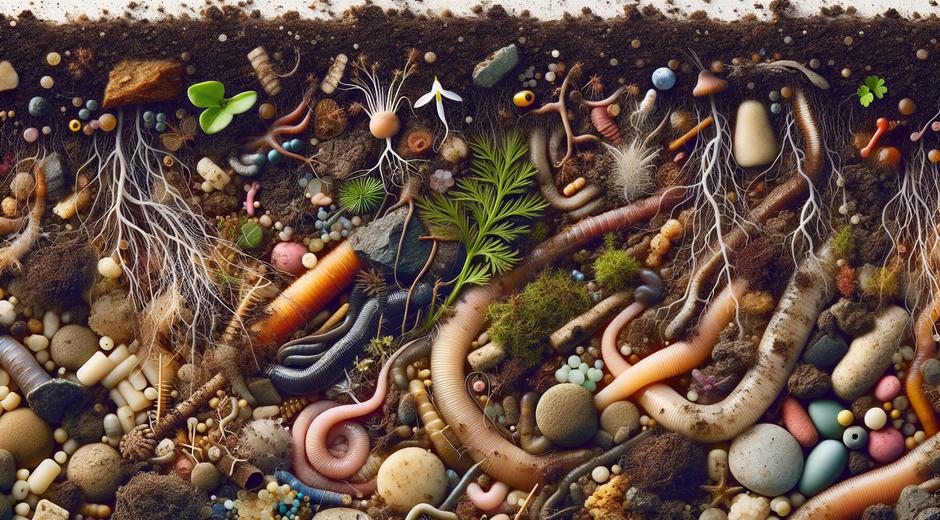
To manage and protect Soil Ecosystems it helps to break them down into their key parts. First there are the physical properties such as particle size and porosity that determine how water moves through the ground and how roots can penetrate. Second there are chemical properties including nutrient levels and mineral availability. Third and perhaps most vital there is the biological community. Microorganisms such as bacteria and fungi drive decomposition and nutrient mineralization. Microfauna and mesofauna such as nematodes protozoa mites and springtails help regulate microbial populations and enhance nutrient turnover. Macrofauna like earthworms create channels that improve aeration and water infiltration. Plant roots are both consumers of nutrients and engineers of soil structure. The diversity and activity of these biological elements are what make soils productive resilient and able to store carbon.
Functions and Services of Soil Ecosystems
Soil Ecosystems provide a wide range of ecosystem services that directly support human well being and biodiversity. They supply essential nutrients and physical support for crops and wild plants thereby sustaining food systems. Their complex matrices retain and filter water reducing the impact of floods and droughts. Soils act as filters removing pollutants and breaking down organic waste. Healthy soils sequester carbon in stable forms which helps mitigate climate change. They also provide habitat for a vast array of species many of which are not visible to the naked eye. The cumulative effect of these services is foundational to food security water quality biodiversity and climate stability.
Threats to Soil Ecosystems
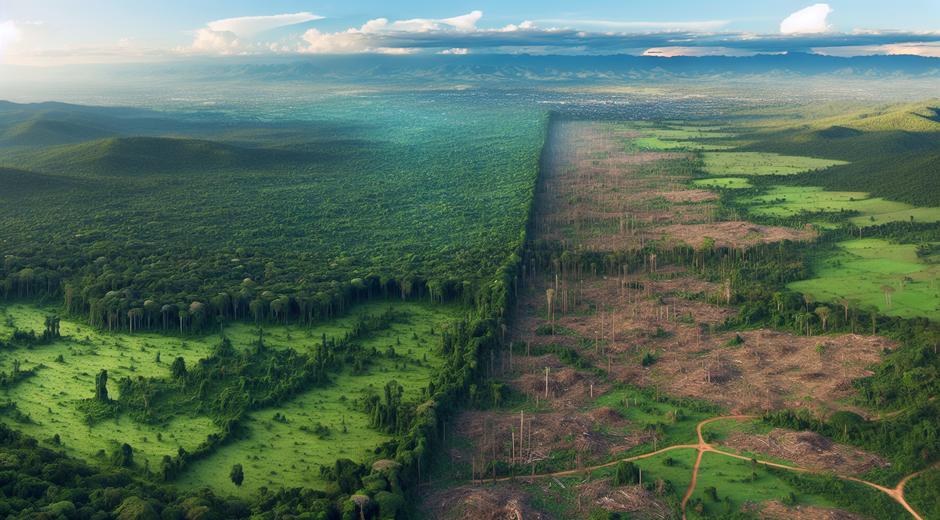
Despite their importance Soil Ecosystems face many pressures from human activities and changing climatic patterns. Intensive land use that removes native vegetation leads to erosion loss of organic matter and reduced biodiversity. Overuse of chemical inputs such as synthetic fertilizers and pesticides can disrupt microbial communities and reduce soil resilience. Urban expansion often seals soil surfaces with impermeable materials destroying habitat and water regulation capacity. Pollution from heavy metals and persistent organic compounds can cause long term degradation. Climate shifts can change rainfall patterns and temperature regimes thereby altering decomposition rates and nutrient cycling. All of these threats erode the ability of soil to provide its essential services.
How to Protect and Restore Soil Ecosystems
There are proven practices that can help protect and restore Soil Ecosystems across agricultural urban and natural landscapes. Conservation agriculture that keeps the ground covered with living plants or mulch reduces erosion and promotes biological activity. Integrating diverse crop rotations and adding organic inputs such as compost enhances nutrient cycling and boosts soil structure. Reducing soil compaction through gentle machinery use and avoiding excessive tillage preserves pore space and allows roots to explore the soil. Restoring native vegetation and creating corridors can reconnect fragmented habitats and support above ground below ground biodiversity. For homeowners land managers and community groups practical guides and citizen friendly resources are available at bionaturevista.com where you can find step by step advice for improving soil health in gardens parks and small farms.
Monitoring Soil Health and Research Directions
Effective stewardship of Soil Ecosystems depends on accurate monitoring and current research. Soil health assessments combine chemical biological and physical indicators to provide a holistic picture. Chemical tests measure nutrients and pH. Biological assessments estimate microbial biomass and community composition while physical metrics include aggregate stability and infiltration rate. Advances in molecular biology remote sensing and machine learning are improving the ability to track soil changes over time and space. Citizen science programs that engage local communities in data collection are also expanding the scale of monitoring efforts. These combined approaches create better evidence for policy decisions and management interventions.
Soil Ecosystems in Urban and Property Contexts
Urban soils play a crucial role in making cities livable resilient and green. Unsealed soils in parks community gardens and even between buildings provide spaces for rainwater to infiltrate reducing strain on storm water systems and supporting urban trees that cool streets. Developers planners and homeowners who prioritize healthy soils can enhance property value and create attractive sustainable spaces. For example design choices that integrate soil friendly landscaping and green infrastructure encourage local biodiversity improve water management and increase long term resilience of the built environment. For property owners and developers interested in projects that respect natural systems a resource to explore is MetroPropertyHomes.com which highlights development approaches that incorporate ecological thinking and healthy ground management.
Practical Tips for Everyday Soil Stewardship
Everyone can take simple steps to protect Soil Ecosystems at home and in their community. Planting native species that are adapted to local conditions reduces irrigation needs and supports local biodiversity. Composting kitchen scraps returns nutrients to soil and builds organic matter. Avoiding the use of harsh chemicals keeps beneficial organisms intact. Supporting local policies that protect open spaces and promote sustainable land use helps scale up positive outcomes. Community gardens urban farms and tree planting programs are tangible ways to restore soils while building social connection and food security. These actions combined create a positive feedback loop where healthier soils produce healthier plants people and ecosystems.
A Call to Care for Soil Ecosystems
Soil Ecosystems deserve more attention than they often receive. They are the foundation of healthy landscapes productive farms and vibrant urban spaces. By learning how soils function and what threatens them we can adopt management practices that restore their vitality. Whether through policy research restoration projects or small scale action in yards and community plots each effort contributes to a larger movement toward sustainability. The science is clear and the tools are available. Caring for soils is an investment in clean water stable food systems resilient cities and a more stable climate for generations to come.
Understanding and valuing Soil Ecosystems is the first step. Taking action to protect them is the next. Together individuals communities scientists and decision makers can create a future where soils thrive and the services they provide continue to sustain life on Earth.