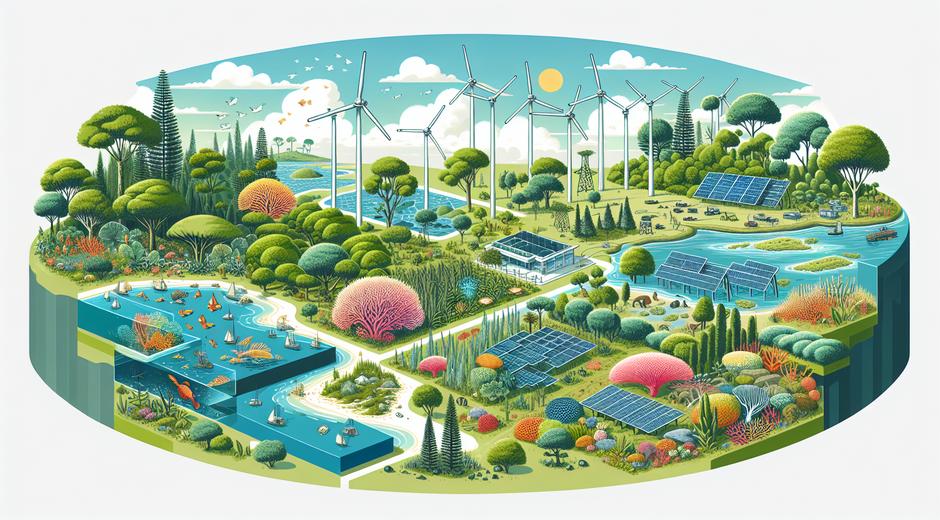


Nature Based Solutions: Harnessing the Power of Nature for Resilience and Prosperity
Nature Based Solutions are emerging as a cornerstone of sustainable planning and climate resilience. By working with natural systems rather than against them, communities can reduce risk from extreme weather, restore biodiversity, enhance water quality, and create jobs. This article explains what Nature Based Solutions are, why they matter, how they are implemented, and practical steps that local leaders and citizens can take to adopt them. For additional resources and case studies visit bionaturevista.com to explore guides and project profiles.
What are Nature Based Solutions
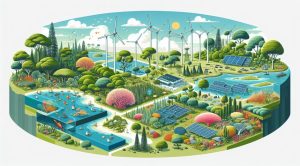
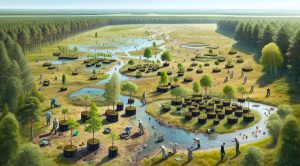
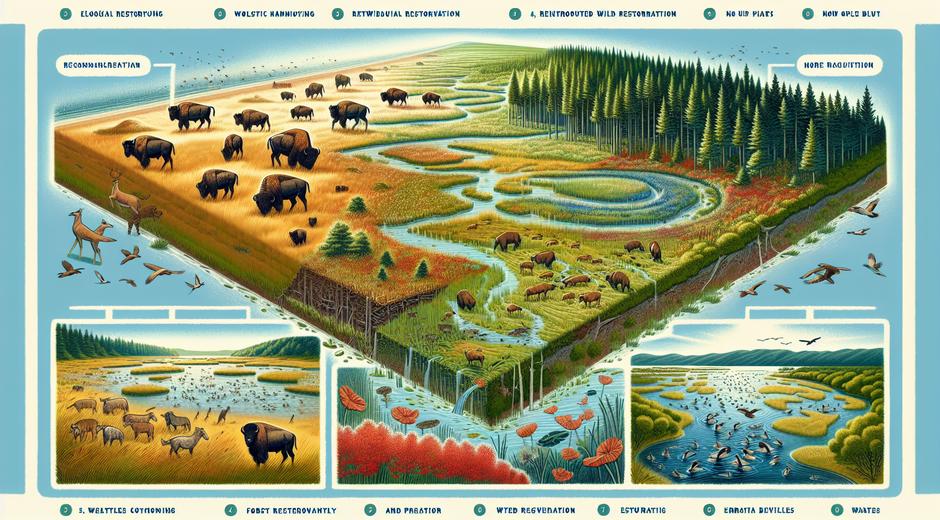
Nature Based Solutions are actions that protect, manage, and restore natural or modified ecosystems to address societal challenges in a sustainable way. These actions harness ecological processes to provide services such as flood regulation, carbon storage, urban cooling, and soil restoration. Examples include restoring wetlands to store flood waters, planting trees to reduce heat in cities, creating green corridors to support wildlife movement, and managing agricultural land to increase soil fertility and resilience.
At the core of Nature Based Solutions is a systems approach. Projects are designed to deliver multiple benefits at once so that environmental, social, and economic goals are advanced together. This approach contrasts with conventional engineered responses that often focus on a single outcome and can degrade the environment over time.
Key Benefits of Nature Based Solutions
Nature Based Solutions deliver a wide range of benefits that make them attractive for cities, rural areas, and coastal zones. The main advantages include:
- Risk reduction by absorbing excess water, stabilizing slopes, and buffering storm surge
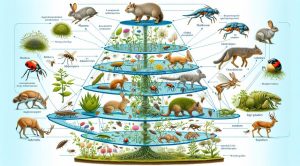
- Enhanced biodiversity by creating or connecting habitat for plants and animals
- Climate mitigation through carbon uptake and long term storage in vegetation and soil
- Improved human health because green spaces reduce stress and improve air quality
- Cost effectiveness when compared with many grey infrastructure options, especially when multiple benefits are counted
- Support for livelihoods by creating opportunities for nature based tourism, restoration jobs, and sustainable agriculture
These benefits make Nature Based Solutions a strategic choice for integrated planning. When properly designed and maintained they provide durable returns on investment and help communities adapt to a changing climate.
Practical Examples of Nature Based Solutions
Practical examples demonstrate the versatility of Nature Based Solutions across contexts. In coastal areas, restoring mangroves and tidal marshes reduces wave energy and protects shorelines while providing habitat and storing carbon. In urban contexts, urban forests, green roofs, and permeable surfaces reduce runoff, lower urban heat, and increase local biodiversity. In agricultural landscapes, practices such as cover cropping, agroforestry, and riparian buffer zones improve soil health, conserve water, and support pollinators.
Each project starts with a clear diagnosis of the problem and the ecological functions that can help solve it. For instance, if flash flooding is the concern, restoring upstream wetlands and reconnecting rivers to their floodplains can attenuate flows and reduce peak discharge. If urban heat is a problem, planting street trees and creating parks can reduce surface temperatures and improve livability.
Design and Implementation Principles
Successful Nature Based Solutions follow a set of design and implementation principles that help maximize benefits and reduce risk. These principles include:
- Context sensitive design that respects local ecology and cultural values
- Inclusive planning that engages local communities, stakeholders, and indigenous knowledge
- Integration with existing infrastructure planning so nature complements engineering where needed
- Adaptive management that monitors outcomes and adjusts interventions over time
- Long term governance and financing to ensure maintenance and resilience
Engaging stakeholders early builds ownership and reduces barriers to implementation. Local people often hold valuable knowledge about seasonal patterns, species behavior, and historical conditions that can greatly improve project outcomes. Combining that knowledge with scientific assessment leads to robust designs.
Measuring Impact and Success
Measuring the impact of Nature Based Solutions is essential for demonstrating value and for scaling up effective practices. Metrics should track ecological outcomes such as habitat area, species richness, and carbon sequestration. They should also include social and economic indicators like reduced flood damage, improved health outcomes, job creation, and public use of green spaces.
Monitoring programs can be cost effective by using a mix of remote sensing tools, citizen science, and targeted field surveys. Clear baselines and consistent monitoring intervals allow stakeholders to see trends and to evaluate which management actions are most effective. Transparency in reporting helps maintain public support and attracts additional funding.
Policy and Financing
Policy frameworks that recognize the value of Nature Based Solutions enable wider adoption. Land use planning, building codes, water management rules, and climate strategies can all be adjusted to prioritize nature based approaches. Incentives such as payment for ecosystem services, conservation leases, and green bonds can mobilize private investment.
Public private partnerships are a practical financing route. Combining government funding with private capital and community contributions creates blended finance models that reduce risk and increase scale. International climate finance and development funds also offer support for projects that deliver measurable mitigation and adaptation benefits.
How Communities Can Get Started
Local communities can begin by identifying local risks and the natural assets that can address them. A simple mapping exercise that inventories wetlands, tree cover, open space, and water bodies reveals opportunities. From there, pilot projects that demonstrate tangible benefits help build momentum. Small scale interventions such as community tree planting, rain gardens, and schoolyard green spaces can show results quickly and garner support for larger initiatives.
Capacity building matters. Training local practitioners and managers in ecological restoration, landscape design, and maintenance ensures interventions endure. Sharing success stories and lessons learned builds a network of practice that accelerates adoption. When communities want to learn from curated resources and project templates they can consult trusted portals such as BioNatureVista.com for examples, toolkits, and training materials.
Overcoming Common Challenges
Adopting Nature Based Solutions can face challenges including land tenure uncertainty, limited funding, and short term political cycles. Overcoming these challenges requires flexible approaches. Secure tenure arrangements support long term restoration. Design that phases work according to available funding enables progress while seeking larger investments. Finally, clear communication of benefits and evidence based results helps align political support across terms.
Maintenance and governance are often the weak link. Establishing clear roles for stewardship, whether through community groups, municipal services, or private partners, ensures that living systems continue to deliver benefits. Planning for maintenance costs up front is essential to avoid decay and loss of investment value.
Scaling Up for Regional Impact
To achieve landscape scale benefits projects must connect across property lines and administrative boundaries. Corridor planning that links habitat patches, coordinated watershed management, and regional tree planting campaigns create cumulative effects that exceed the sum of individual projects. Regional collaboration among municipalities, landowners, and conservation groups accelerates restoration at scale.
Data sharing and common monitoring frameworks enable comparison across sites and help direct resources to areas with the greatest potential. When scaled strategically Nature Based Solutions contribute to national biodiversity targets and global climate goals while improving local resilience.
Conclusion
Nature Based Solutions offer a compelling path for building resilience, restoring ecosystems, and creating shared prosperity. They deliver measurable benefits across climate mitigation adaptation biodiversity and human well being. By combining good science with local knowledge and inclusive governance communities can implement durable solutions that are cost effective and enriching for people and nature alike.
Whether you are a planner a landowner or an active citizen the first step is to recognize the natural assets in your landscape and imagine how they can be part of the solution set. Start small learn fast and scale what works. For practical guides case studies and tools to help you on that journey explore the curated content at our recommended portal where you will find step by step methods and project templates.