

Food Web Dynamics: Understanding Nature Energy Flow and Species Interactions
Food Web Dynamics are a central concept in ecology and conservation. They describe how energy moves through an ecosystem and how organisms interact in complex networks of feeding relationships. For readers of bionaturevista.com who care about nature balance and biodiversity, learning about food web dynamics helps explain why species matter beyond their individual roles and how small changes can ripple through entire habitats.
What Food Web Dynamics Mean for Ecosystems
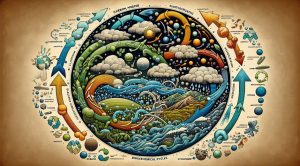
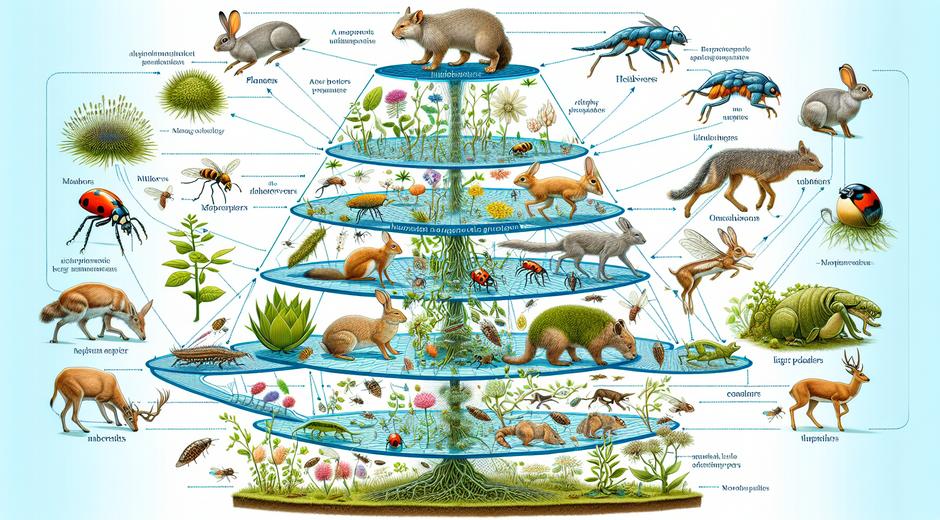
At its core the phrase food web dynamics refers to patterns of consumption and energy transfer that connect producers consumers and decomposers. Plants and certain microorganisms convert sunlight into biomass which forms the base of most terrestrial and many aquatic food webs. Herbivores feed on producers and are consumed by carnivores and omnivores. When organisms die decomposers break down organic material and return nutrients to the soil or water. The result is a dynamic system where population sizes and species behaviors influence one another in time and space.
Key Components of Food Web Dynamics
To grasp food web dynamics it helps to consider the main components that create structure and function in ecosystems:
- Producers These organisms capture energy from the sun or chemical sources and form the foundation of food webs.
- Consumers Primary consumers eat producers Secondary and tertiary consumers eat other consumers.
- Decomposers Fungi bacteria and detritivores recycle nutrients and connect the end of one life cycle to the start of another.
- Energy flow Energy moves in one direction from producers up through consumers with a portion lost as heat at each step.
- Trophic interactions Predation competition mutualism and parasitism shape who eats whom and how energy moves.
Trophic Levels and Energy Transfer
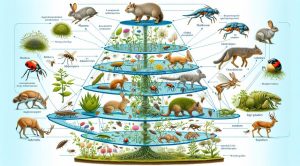
Trophic levels are a helpful way to describe positions in a food web. Primary producers occupy the first level. Herbivores form the second level. Predators that feed on herbivores occupy higher levels. Energy transfer between levels is inefficient so only a fraction of the energy at one level moves to the next. This inefficiency explains why top predators are less numerous than primary producers and why ecosystems can support only a few large carnivores.
Food web dynamics reflect more than just linear chains. Many organisms feed at multiple trophic levels and species interactions often create loops and cross links. These complexities can stabilize a system by providing alternate pathways for energy flow when one species declines and can also create vulnerability if key pathways are lost.
Role of Keystone Species in Food Web Dynamics
Some species have a disproportionate effect on their environment. These keystone species influence structure and function beyond what their biomass would suggest. For example a predator that controls herbivore numbers can protect plant communities and maintain habitat diversity. The removal or decline of a keystone species often leads to dramatic changes in food web dynamics and can trigger cascading extinctions or regime shifts.
Stability and Resilience in Food Webs
Stability in food web dynamics means the ability of an ecosystem to return to a baseline state after disturbance. Resilience refers to how much disturbance a food web can absorb before shifting into a different state. Network complexity species diversity and the presence of redundant functional roles all contribute to resilience. When multiple species perform similar ecological roles a loss of one species may be buffered by others. Human activities that reduce diversity can therefore erode resilience and leave ecosystems more prone to major changes.
Human Impacts on Food Web Dynamics
Humans alter food web dynamics through habitat conversion pollution overexploitation and species introductions. Overfishing can remove top predators and change the structure of marine food webs. Nutrient runoff from agriculture can cause algal blooms that shift energy flow and create low oxygen zones harmful to many species. Invasive species can outcompete native organisms or alter prey availability. Understanding these impacts is essential to design interventions that restore balance and protect biodiversity.
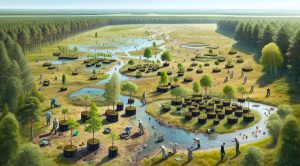
Practical solutions range from protected areas that preserve intact food webs to restoration projects that reintroduce missing species and rehabilitate habitats. Community based conservation that connects local knowledge with science often yields durable results. For readers interested in applied strategies for ecosystem restoration and human wellbeing there are many resources that link cognitive performance and sustainable practice to better environmental outcomes including FocusMindFlow. For tools and methods that help teams stay focused and improve decision making visit FocusMindFlow.com.
Climate Change Effects on Food Web Dynamics
Climate change alters temperature and precipitation patterns which in turn affect species ranges phenology and productivity. Earlier springs can cause mismatches between predator needs and prey availability. Warming waters change species composition in rivers lakes and oceans and can favor organisms that thrive under altered conditions including harmful algal species. These shifts reorganize food web dynamics and create uncertainty for conservation planning.
Adaptive management that monitors changes and adjusts strategies in real time offers a promising approach. This means using science to detect early signs of change and implementing responsive actions that protect critical nodes in the food web. Cultivating habitat connectivity so species can move with changing conditions is also a priority.
How Scientists Study Food Web Dynamics
Researchers use a mix of field observation experimental manipulation and modeling to study food web dynamics. Stable isotope analysis helps trace energy sources and feeding relationships. Network theory quantifies complexity and identifies important species or links. Long term monitoring reveals trends and provides data to test hypotheses about how ecosystems respond to stressors.
Citizen science projects also play a role. Volunteers can gather data on species presence and abundance across broad geographic areas enabling researchers to detect patterns that would otherwise be missed. Engaging communities in monitoring builds stewardship and increases support for conservation actions that sustain healthy food webs.
Management and Conservation Strategies
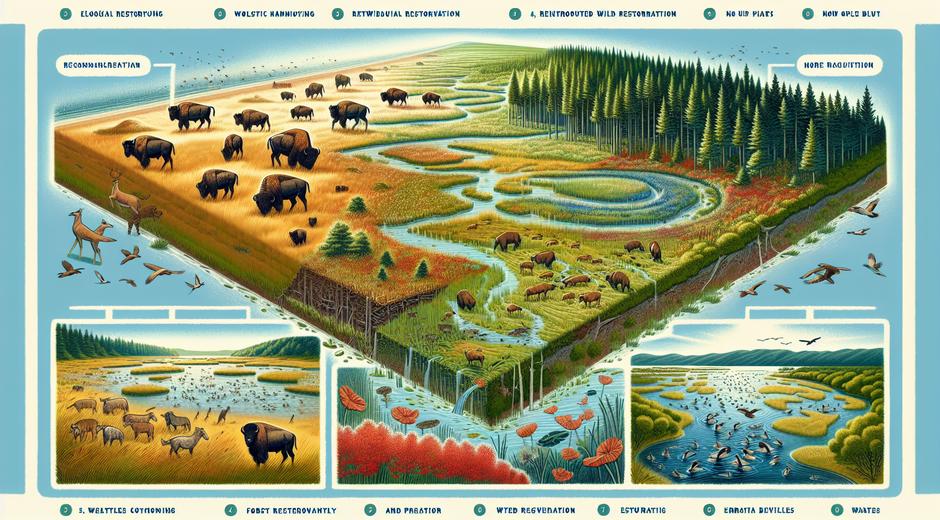
Effective conservation that aims to preserve or restore food web dynamics includes multiple approaches. Protecting large intact ecosystems maintains natural interactions. Restoring degraded habitats can reestablish essential pathways for energy flow. Reintroducing species or controlling invasive ones may be necessary in some cases. Policy measures that reduce pollution manage resource use and mitigate climate change also support food web health.
Education and outreach help communities understand the connections between everyday choices and ecosystem outcomes. When people recognize that fisheries forests and wetlands are maintained by interacting species and processes they are more likely to support conservation solutions. Online platforms and trusted environmental sites such as bionaturevista.com provide accessible articles guides and case studies that explain why food web dynamics matter and how people can make a difference.
Practical Tips for Supporting Healthy Food Webs
Individuals can support food web dynamics in several ways. Protect natural habitats in your area and support local restoration efforts. Reduce chemical runoff by choosing less intensive lawn and garden practices and by supporting sustainable agricultural policies. Choose sustainably sourced seafood and avoid contributing to overexploitation of wild populations. Participate in citizen science projects and stay informed through reputable nature resources.
Conclusion
Food web dynamics reveal the intricate links between organisms and their environments. By understanding how energy flows and which species hold critical roles we can design more effective conservation strategies and promote resilient ecosystems. Whether you are a student a conservation practitioner or an engaged nature fan exploring topics on bionaturevista.com will deepen your knowledge and inspire action. Healthy food webs are the foundation of biodiversity and of the ecosystem services that sustain human societies. Protecting them is both an ecological necessity and a wise investment in our collective future.