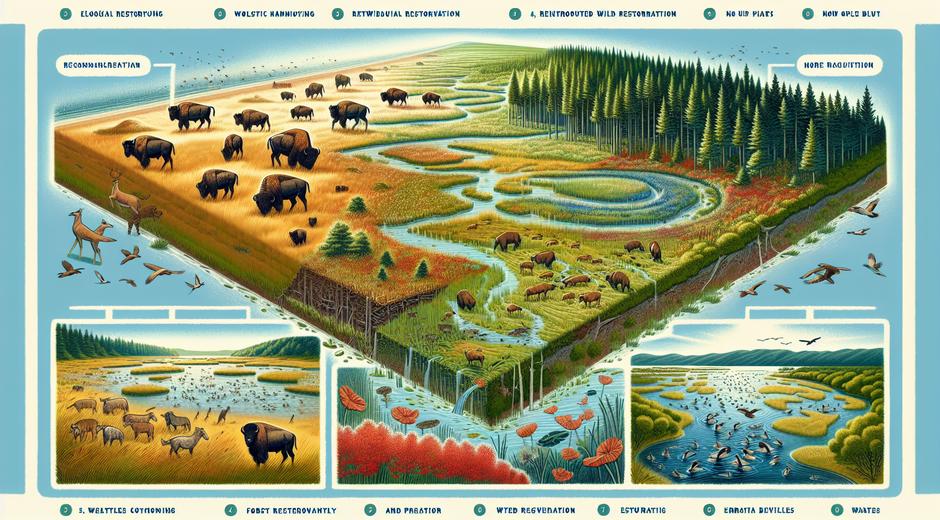


Landscape Ecology: Understanding Patterns and Processes in Nature
Landscape Ecology is a field that links the study of space and structure to the functioning of ecosystems at larger scales. It examines how patterns such as patch size and shape influence flows of energy water and species across habitats. For anyone who cares about conservation planning habitat restoration or sustainable land use the concepts of Landscape Ecology provide essential tools. This article explores the foundations principles and practical applications of Landscape Ecology while offering resources for further reading and community engagement.
What Landscape Ecology Means
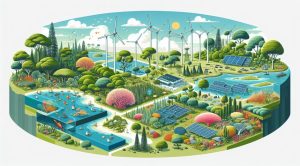
At its core Landscape Ecology asks how the arrangement of land cover and land use affects ecological processes. Rather than focusing only on a single site or a single species it considers mosaics of habitat and how their spatial configuration alters movement of organisms dispersal of seeds and flow of water and nutrients. The field blends biology geography and environmental science to understand interactions across multiple scales of time and space.
Key Concepts in Landscape Ecology
Several recurring ideas guide research and management in Landscape Ecology. Patch size and shape matter because they influence edge effects and habitat availability. Connectivity is vital since linked habitats allow species to move adapt and persist. Scale is a central theme because processes visible at one scale may not appear at another. Heterogeneity or the variety of habitat types can increase biodiversity by providing niches for different species. Matrix quality which refers to the characteristics of the area surrounding habitat patches also strongly affects movement and survival. Finally disturbance regimes such as fire floods and human land use create dynamic patterns that constantly reshape the landscape.
The Role of Spatial Patterns
Patterns and processes feed into one another. For example a continuous forest provides more interior habitat than a series of small forest fragments surrounded by agriculture. Species that require interior conditions may decline when fragmentation reduces contiguous habitat to small patches with large edge zones. At the same time fragmentation can increase habitat diversity and create opportunities for edge specialists. Landscape Ecology helps managers predict which outcomes are likely by analyzing spatial metrics and connecting them to species traits and ecosystem functions.
Scale and Its Challenges
Scale influences both perception and measurement. A patch that looks small from a ground perspective may be part of a large functional area for a migratory bird. Temporal scale also matters because processes such as succession or nutrient cycling operate over decades or even centuries. Effective planning requires matching the scale of management actions to the scale of the ecological processes of interest. Remote sensing and geographic information systems provide ways to measure patterns across broad extents while field studies reveal mechanisms at finer scales.
Connectivity and Movement
Connectivity is one of the most actionable ideas in Landscape Ecology. Corridors of natural habitat can allow animals to move between patches reducing the risk of local extinction. Connectivity can be structural based on physical links between patches or functional based on how species actually move through the landscape. Restoration efforts often focus on increasing connectivity to maintain gene flow and allow species to respond to environmental change.
Applications in Conservation and Planning
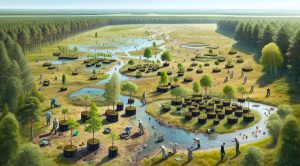
Landscape Ecology informs protected area design by identifying priority areas for conservation based on size connectivity and diversity. Urban planners use its principles to integrate green infrastructure that supports biodiversity and human well being. Restoration ecologists apply landscape scale thinking when reconnecting streams or re planting riparian vegetation so that benefits extend beyond single sites. Agricultural managers can use landscape patterns to balance food production with habitat retention and to enhance pollination and pest control through natural enemy movement.
Tools and Methods
Modern Landscape Ecology uses a toolkit that includes remote sensing GIS spatial statistics and landscape metrics. Researchers quantify fragmentation connectivity and heterogeneity using indices that summarize the composition and arrangement of patches. Movement ecology uses radio tracking camera traps and genetic methods to link pattern to process. Scenario modelling can illustrate potential futures under different management choices allowing stakeholders to weigh trade offs and choose actions that maximize ecological and social benefits.
Case Studies in Landscape Ecology
Coastal regions illustrate how Landscape Ecology guides conservation. Estuaries tidal marshes and adjacent uplands form networks that support fish birds and invertebrates. Protecting a lone marsh may not be enough if upstream changes reduce sediment supply or alter salinity. A landscape approach values the full set of connected habitats and the processes that sustain them. Similarly in forested areas riparian corridors often act as movement highways for mammals and birds so maintaining them helps sustain populations across fragmented terrain.
Landscape Ecology and People
Human communities both shape and depend on landscape pattern. Cultural practices influence land cover and biodiversity while ecosystem services such as clean water climate regulation and recreation depend on intact landscape function. Engaging local stakeholders in monitoring and planning builds resilience because people who depend on natural resources are essential partners in stewardship. Educational programs that explain basic Landscape Ecology principles help communities make informed choices about land use and conservation.
How to Use Landscape Ecology in Local Action
Practical steps include mapping local habitats identifying key corridors and assessing threats such as development or invasive species. Citizen science can contribute data on species occurrences while local governments can incorporate landscape metrics into zoning and land use planning. Small actions add up for example planting native vegetation along streams reducing chemical runoff and protecting small patches of habitat can increase connectivity and support wildlife. For inspiration and additional resources visit bionaturevista.com which provides articles and guides on habitat conservation and nature based living.
Interdisciplinary Links and Surprising Partners
Landscape Ecology intersects with fields such as economics public health and education. Urban green spaces improve mental health and reduce heat islands while working landscapes provide food and habitat. Even parenting communities benefit from access to nature through outdoor play and family nature activities. For families seeking ideas to connect kids with nature this unexpected cross link can build lifelong support for environmental stewardship and healthy habits as discussed at CoolParentingTips.com.
Future Directions for Landscape Ecology
The field will continue to grow as new data streams from satellites and sensors become available. Advances in modelling and machine learning will improve our ability to predict how landscapes respond to climate change and human development. Integrating social values and indigenous knowledge will create more inclusive strategies for conservation and land management. Ultimately the goal is to design resilient landscapes that support biodiversity human prosperity and the ecological processes that sustain life.
Conclusion
Landscape Ecology offers a powerful perspective for making sense of the complex mosaics that shape our natural world. By focusing on patterns connectivity and scale it provides practical guidance for conservation restoration and planning. Whether you are a land manager scientist or community member learning the language of Landscape Ecology can help you make choices that protect biodiversity and foster sustainable interactions between people and nature.
Engage with local projects learn to read maps and support policies that value connected healthy landscapes. The health of our planet depends on actions taken at many scales and Landscape Ecology gives us the frameworks to act thoughtfully and effectively.