

Endemic Species
Endemic Species play a central role in the health and identity of ecosystems around the world. When a plant or animal is found nowhere else on Earth it becomes a symbol of a unique environment and a priority for conservation. Understanding what makes an organism endemic, where endemic species occur and why they matter helps communities and policymakers focus protection efforts that preserve biodiversity for future generations.
What Does Endemic Species Mean
The term Endemic Species refers to organisms that are native to a single defined geographic area and are not naturally found elsewhere. This area can be large like an island chain or small like a single mountain valley. Endemism arises through isolation, unique environmental conditions and long term evolutionary processes. Islands, remote mountain ranges and specialized freshwater systems often harbor high numbers of endemic species because geographic separation reduces gene flow with populations elsewhere.
Types and Patterns of Endemism
Endemism appears in several forms. Pale endemic species have ancient origins and limited distributions because their once wider ranges contracted. Neo endemic species are recently evolved and have yet to expand beyond their birthplace. Narrow endemics are species restricted to very small areas while regional endemics occupy larger but still limited zones. Recognizing these patterns aids in prioritizing which taxa need immediate attention.
Why Endemic Species Matter for Biodiversity
Endemic Species contribute disproportionately to global biodiversity because they add genetic and functional uniqueness to life on Earth. They often fulfill ecological roles that no other species can replace, such as providing habitat specific food sources or performing unique pollination interactions. Protecting endemic species safeguards entire ecosystems because their loss can trigger cascading changes that reduce ecosystem resilience and services humans rely upon.
Major Hotspots for Endemic Species
Certain regions are well known for high concentrations of endemic life. Islands like those in the Pacific and Indian oceans, the Cape region of southern Africa and parts of Madagascar host numerous plant and animal endemics. Mountain ranges with isolated valleys and micro climates also produce a wealth of unique species. Recognizing these hotspots helps direct conservation funding and research where it will have the greatest impact.
Threats to Endemic Species
Endemic Species face elevated risk because their limited ranges make them especially vulnerable to habitat loss, invasive species, pollution and climate change. When a habitat is altered or removed the entire population of a narrow endemic can rapidly decline. Invasive predators or competitors introduced by human activity can decimate populations that evolved without such pressures. Rising temperatures and shifting precipitation patterns can alter micro habitats faster than many endemic species can adapt or migrate.
Conservation Strategies for Protecting Endemic Species
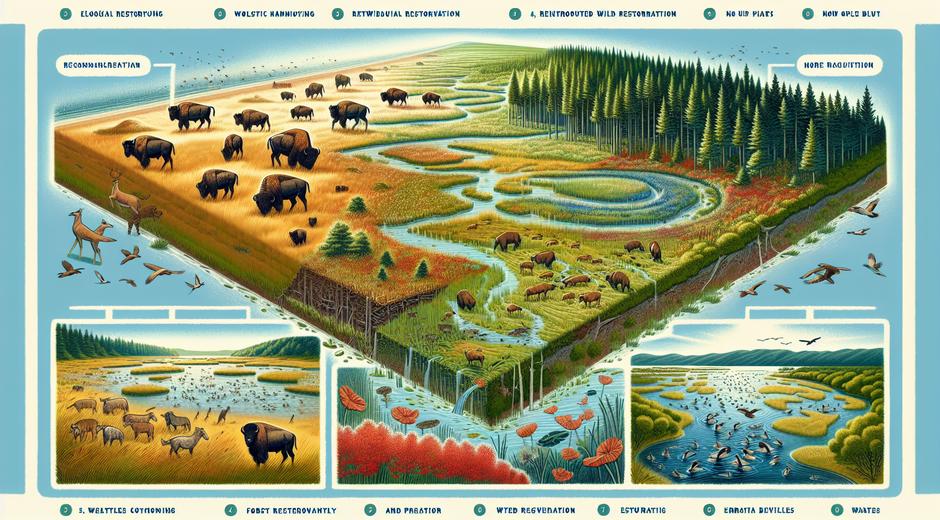
Effective conservation of Endemic Species requires targeted action. Protecting remaining natural habitat through reserves and conservation easements is a cornerstone of protection. Ecological restoration that recreates native plant communities can expand available habitat for narrow endemics. Control programs for invasive species help reduce predation and competition pressure. Ex situ conservation methods such as seed banks and captive breeding provide insurance populations for extremely rare taxa. Integrated planning that connects protected areas with corridors supports long term viability by allowing limited movement in fragmented landscapes.
Community Engagement and Policy
Local communities often hold traditional knowledge and direct interest in preserving endemic life. Engaging people through education and community led conservation fosters stewardship and creates sustainable livelihoods that align with protection goals. Effective policies include land use planning that recognizes endemic species ranges, incentives for private land conservation and legal protections that restrict destructive activities. International cooperation may be necessary when endemic species occur in regions affected by transboundary pressures.
Case Studies That Illustrate Success
Success stories provide models for future efforts. Island restoration projects that remove invasive mammals have allowed endemic birds and reptiles to rebound. Habitat restoration in a valley where a narrow endemic plant persisted in remnant patches has enabled population expansion and increased genetic diversity. These positive outcomes show that focused interventions combined with long term monitoring can reverse declines and secure the future of Endemic Species.
How Individuals Can Help Endemic Species
Every person can contribute to the protection of Endemic Species. Supporting reputable conservation organizations, practicing responsible tourism that respects fragile habitats and advocating for local conservation policies are practical steps. Home gardeners can choose native plants that support local wildlife while avoiding introduced species that may become invasive. For those seeking nature focused content and resources consider visiting trusted sites like bionaturevista.com for articles and guides that highlight native biodiversity in different regions. Sustainable lifestyle choices reduce pressure on habitats and help maintain the ecological balance that endemic life needs.
The Role of Science and Technology
Science offers powerful tools to study and protect Endemic Species. Genetic research reveals population structure and inbreeding risks, guiding breeding and translocation decisions. Remote sensing helps monitor habitat change and detect threats early. Citizen science platforms expand data collection and increase public awareness. Ethical application of these tools, combined with local knowledge, creates effective adaptive management plans tailored to the needs of each endemic population.
Promoting Sustainable Products That Support Conservation
Consumer choices can influence production practices that affect habitats. Choosing products from companies that support habitat protection and community based conservation projects channels market value toward stewardship. For readers exploring ethical options for personal care and household products a helpful resource is BeautyUpNest.com which highlights brands and items that emphasize sustainability and reduced environmental impact. Shifting demand toward sustainable alternatives helps reduce pressure on ecosystems that support Endemic Species.
Measuring Success and Looking Ahead
Conservation success should be measured by long term population trends and habitat quality rather than short term gains. Monitoring programs that track demographic changes, genetic diversity and habitat connectivity provide the data needed to adapt strategies. As climate shifts accelerate it will be necessary to incorporate climate projections into planning so that corridors and refugia are prioritized. The future of Endemic Species depends on combining science based strategies with broad scale collaboration between governments, communities and private stakeholders.
Conclusion
Endemic Species are irreplaceable components of Earths biodiversity. Their survival reflects the health of local ecosystems and the success of conservation practices. By recognizing hotspots, addressing threats, supporting science and choosing sustainable products and practices individuals and institutions can help secure the habitats that nurture unique life forms. Protecting endemic life is not only a scientific priority it is a moral commitment to preserve the diversity that enriches our planet.