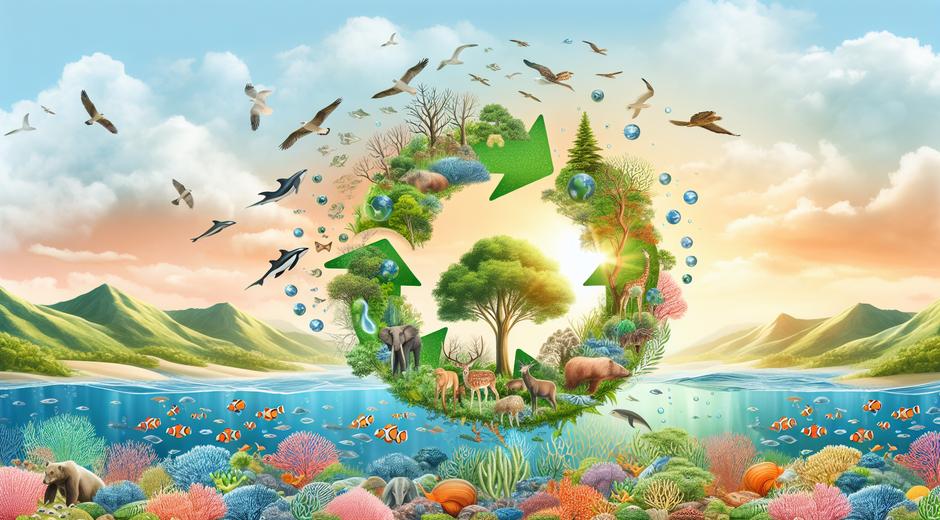


Ecological Balance: The Foundation of Resilient Nature
Ecological Balance is a central concept for anyone who cares about the future of life on Earth. It refers to a stable state in which species, populations, resources and processes interact in ways that sustain ecosystems over time. When Ecological Balance is preserved, ecosystems provide essential services such as clean air, clean water, fertile soil and climate regulation. This article explores why Ecological Balance matters, what threatens it and how people can support healthy ecosystems in practical ways.
Why Ecological Balance Matters
Healthy ecological systems deliver benefits that humans and all living things depend on. Biodiversity supports food production and pollination. Healthy soils hold water and nutrients, reducing the risk of erosion and supporting plant growth. Natural habitats filter pollutants and store carbon, helping moderate climate extremes. Maintaining Ecological Balance promotes resilience so that ecosystems can adapt to change and recover from disturbances such as storms, fires or disease outbreaks. For communities and economies that rely on natural resources, the cost of losing Ecological Balance can be high and sudden.
Key Components of Ecological Balance
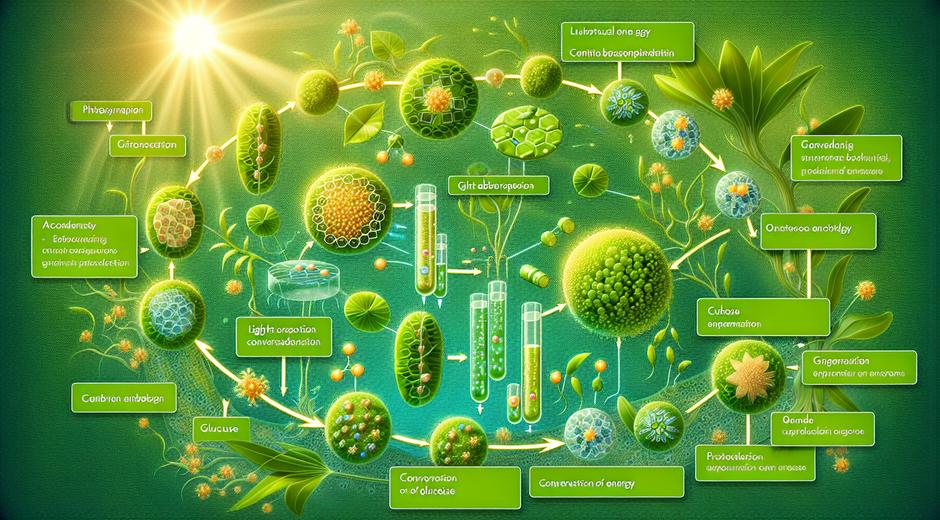
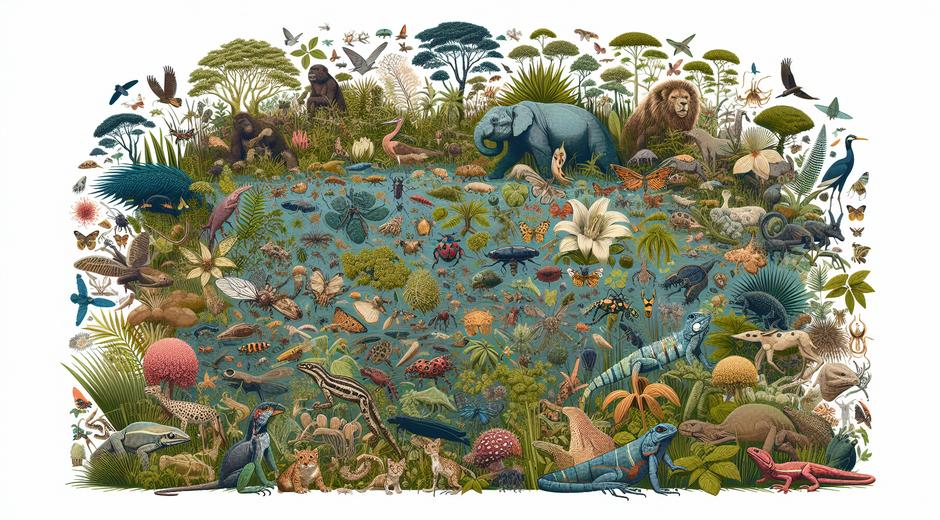
Understanding the components that sustain Ecological Balance helps guide conservation action. These components include biodiversity, habitat integrity, nutrient cycles, water cycles and energy flows. Biodiversity provides functional redundancy so that if one species declines others can fulfill similar roles. Habitat integrity ensures species have the space and conditions they need to survive and reproduce. Nutrient cycling and water cycling move essential elements through food webs and landscapes. Energy flows from the sun through primary producers to consumers, powering the whole system. Disruption of any one component can cascade and affect the others.
Major Threats to Ecological Balance
Human activity is the dominant force changing ecosystems today. Habitat loss and fragmentation reduce the area available to native species and increase edge effects that favor generalist species at the expense of specialists. Pollution alters chemical cycles and can be toxic to wildlife. Invasive species compete with native species and can reshape community structure. Climate change shifts temperature and precipitation patterns, creating new stressors and altering phenology. Overexploitation such as unsustainable fishing or logging removes key species and weakens ecosystem functions. Together these pressures can push ecosystems past thresholds into new states that may be less productive or less diverse.
How Conservation Restores Ecological Balance
Conservation strategies aim to reduce pressures on ecosystems and to support recovery of natural processes. Protected areas preserve core habitat and provide refuges for species. Restoration efforts can reestablish native vegetation, repair soils and reconnect fragmented habitats with wildlife corridors. Sustainable land management practices integrate production with nature friendly approaches to maintain ecological functions. Pollution control and better waste management reduce harmful inputs to ecosystems. Adaptive management uses monitoring data and scientific evidence to adjust actions so that interventions lead to real ecological improvements.
The Role of Science and Monitoring
Science provides the tools to measure Ecological Balance and to identify trends. Monitoring species abundance, water quality and habitat condition reveals early warning signs of decline. Ecological models help predict how systems will respond to changes such as altered land use or warming climates. Citizen science programs expand observation capacity and engage people in data collection. Investing in long term monitoring allows managers to detect slow moving declines and to intervene before systems cross tipping points. Clear indicators make it possible to track progress toward restoration goals and to communicate outcomes to stakeholders.
Community Action and Indigenous Knowledge
Local communities and Indigenous peoples often possess deep knowledge of local ecosystems and seasonal patterns. Their participation in management enhances ecological outcomes because they can design approaches that fit local social and environmental contexts. Community led conservation projects can restore wetlands, revive traditional fire regimes and manage fisheries in ways that maintain Ecological Balance. Supporting local stewardship is also socially equitable because it builds capacity and creates livelihoods linked to healthy ecosystems. For more information on community led projects and nature stories visit bionaturevista.com where case studies and guidance are shared for practitioners and nature lovers.
Policy Measures That Support Ecological Balance
Effective policies set the rules that shape human impacts on nature. Regulations that limit pollution and control land conversion protect core habitat and maintain water quality. Economic incentives for conservation, such as payments for ecosystem services, reward land managers who maintain natural functions. Integrating ecological objectives into planning ensures new infrastructure does not unintentionally fragment landscapes. International agreements on biodiversity and climate provide frameworks for coordinated action at larger scales. Policymakers need rigorous science and stakeholder consultation so that measures are practical and societally supported.
Business Practices and Innovation
Businesses play a critical role in either degrading or protecting Ecological Balance. Corporate commitments to reduce environmental footprints and to adopt sustainable sourcing can reduce pressure on forests, rivers and marine systems. Innovations in materials and in supply chain transparency help businesses identify and mitigate impacts. Financial markets are increasingly valuing natural capital and resilience, so investments that protect nature can be both ethically sound and economically prudent. News and analysis on how markets and media are covering nature topics can be found at Newspapersio.com which highlights current coverage and trends that affect public awareness.
Practical Steps Individuals Can Take
Every person can contribute to maintaining Ecological Balance through daily choices and community engagement. Planting native species in gardens supports pollinators and local food webs. Reducing chemical use in homes and gardens prevents toxic runoff. Choosing sustainable food and reducing waste lowers resource pressure on distant ecosystems. Volunteering with restoration groups and supporting local protected areas strengthens collective capacity to care for nature. Advocacy for sound policies and support for science based conservation help scale local actions into broader impact. Small steps add up when millions of people act with purpose.
Measuring Success and Learning For the Future
Success in restoring and maintaining Ecological Balance is measured by both ecological indicators and human wellbeing outcomes. Increases in native species richness, improved water quality and stabilized soils are direct ecological measures. Equally important are social indicators such as secure livelihoods, community health and access to nature. Sharing outcomes and lessons learned increases effectiveness across regions. Adaptive learning loops where managers test approaches, collect data and refine actions ensure that conservation becomes more efficient and responsive over time.
Conclusion
Ecological Balance is not a fixed state but a dynamic condition that emerges when natural processes and human activities are in alignment. Protecting and restoring this balance requires science based management, inclusive governance and everyday stewardship. It is a global challenge that depends on local action. By valuing biodiversity, investing in resilient landscapes and making sustainable choices, societies can maintain the life supporting systems that all species rely on. For practical resources and inspiring stories about nature and conservation visit our site to learn more and to join a growing community that cares deeply about restoring and sustaining Ecological Balance.