

Photosynthesis Pathways: How Plants Capture Light and Thrive
Photosynthesis Pathways shape the way plants convert light energy into chemical energy. Understanding these pathways is vital for ecology, agriculture and climate science. This article explores the main photosynthesis pathways found in nature, explains how each pathway functions and highlights why these differences matter for plant growth, water use and food production. For more nature focused insights visit bionaturevista.com where you can read related articles and guides tailored to plant science and habitat health.
What Are Photosynthesis Pathways
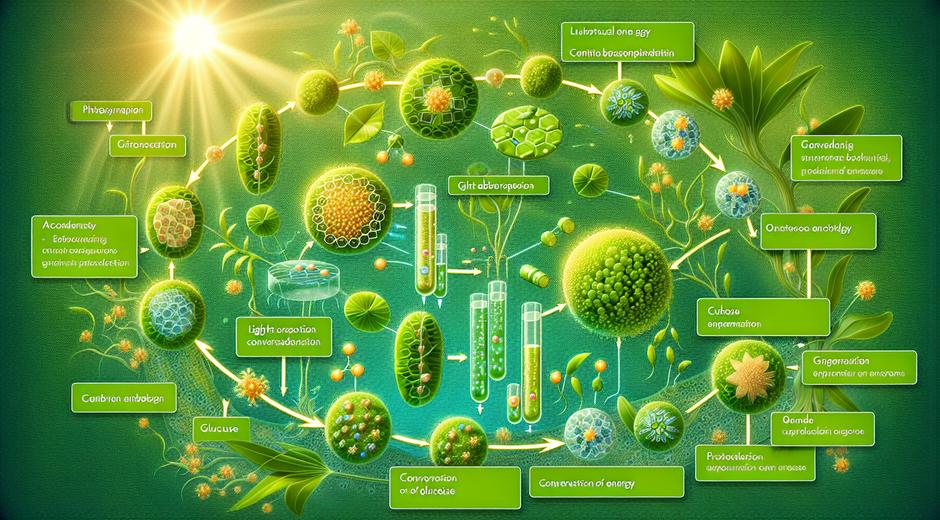
Photosynthesis Pathways refer to the biochemical routes by which plants fix carbon from the atmosphere into organic molecules. While the light reactions are largely similar across green organisms, the carbon fixation step varies. The three main pathways are known by shorthand as C3, C4 and CAM. Each pathway solves a common problem in a different way: how to efficiently capture carbon dioxide while minimizing water loss and avoiding a wasteful process called photorespiration.
C3 Pathway: The Most Common Route
The C3 pathway is the ancestral and most widespread photosynthesis pathway. In C3 plants the enzyme ribulose bisphosphate carboxylase oxygenase captures carbon dioxide and directly incorporates it into a three carbon compound. This pathway is efficient under cool, moist and moderate light conditions. Major crops such as wheat, rice and soybean rely on the C3 pathway.
However when temperatures rise or when carbon dioxide levels inside leaves fall because stomata close to conserve water, the enzyme starts using oxygen instead of carbon dioxide. This oxygenation triggers photorespiration which lowers net carbon gain and reduces productivity. Because of this sensitivity to oxygen and temperature, C3 plants suffer more under hot dry conditions compared with plants that use alternative photosynthesis pathways.
C4 Pathway: A Spatial Strategy
The C4 pathway evolved as a spatial solution to the problem of photorespiration. C4 plants separate the initial carbon capture and the carbon fixation steps into two cell types. In one cell type carbon dioxide is concentrated into a four carbon compound and then shuttled to adjacent cells where a high internal carbon dioxide level allows the key enzyme to work more efficiently. This internal concentration reduces oxygenation reactions and limits photorespiration.
C4 plants excel in high light, high temperature and low water conditions. Examples include maize, sugar cane and many tropical grasses. The C4 pathway provides a productivity advantage in many warm climates and contributes to the success of these plants in open sunny habitats. In addition to improved water use efficiency many C4 species show higher nitrogen use efficiency which affects fertilizer needs for crops.
CAM Pathway: A Temporal Strategy
CAM which stands for crassulacean acid metabolism uses time separation to avoid water loss. CAM plants open their stomata at night to take in carbon dioxide and fix it into organic acids. During the day stomata remain closed while stored carbon dioxide is released internally for photosynthesis. This adaptation yields extreme water conservation and allows plants to survive in arid or variable environments.
Typical CAM plants include many succulents such as cacti and agave along with some orchids and bromeliads. CAM has evolved multiple times in different plant families. While CAM maximizes water use efficiency it can limit growth because carbon fixation is restricted to night time storage capacity.
Ecological and Evolutionary Context
Photosynthesis Pathways reflect long term evolutionary responses to environment. Low atmospheric carbon dioxide levels in the geological past likely favored the rise of carbon concentrating strategies such as C4 and CAM. Today rising atmospheric carbon dioxide may shift competitive balances among plants but other factors like water availability temperature extremes and nutrient supply will determine final outcomes.
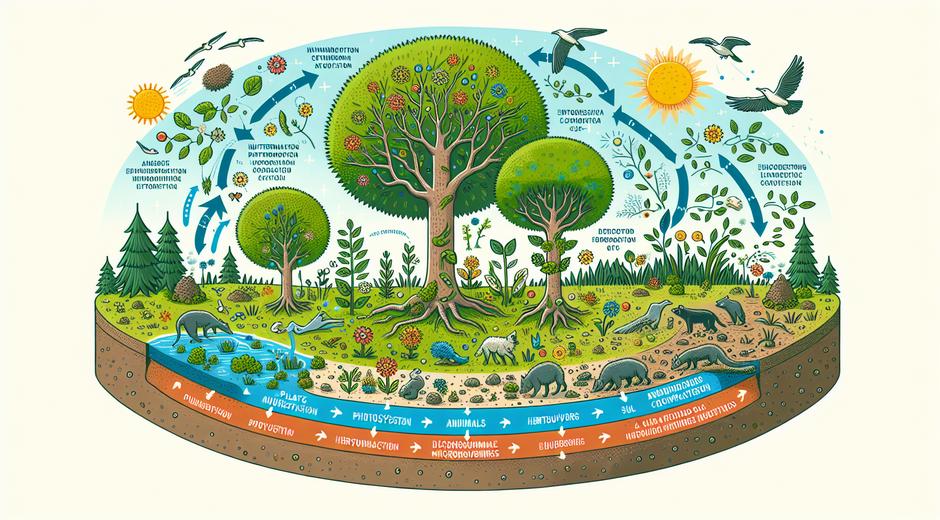
In diverse ecosystems you will often see a mosaic of plants with different pathways. For example grasslands in warm regions commonly host both C3 and C4 grasses while desert communities are dominated by CAM species. This mix affects ecosystem productivity and carbon cycling and changes in land use or climate will influence which pathway gains advantage.
Physiological Trade offs and Agronomic Impact
Each photosynthesis pathway involves trade offs. C3 plants operate well under moderate conditions but lose efficiency in heat and drought. C4 plants achieve high productivity but often invest more in specialized leaf anatomy which can carry other costs. CAM plants save water yet grow slowly under conditions that limit night time carbon uptake.
For agriculture understanding these trade offs helps guide crop selection and management. In regions with high temperatures and irregular rainfall farmers may prefer C4 crops or develop varieties with partial traits from other pathways. Plant breeders and biotechnologists are exploring ways to transfer beneficial traits across species or to engineer more efficient photosynthesis for improved yields. Such innovations aim to increase food security while reducing water and input use.
Measuring and Identifying Pathways in the Field
Researchers identify photosynthesis pathways using a variety of tools. Stable carbon isotope analysis is a common method because C3 and C4 plants incorporate carbon isotopes in distinct ways which leaves a signature in plant tissue. Gas exchange measurements reveal how stomata and photosynthetic rates change with light temperature and humidity. Microscopic examination can confirm the specialized leaf anatomy of C4 plants while metabolic profiling can detect CAM storage and release cycles.
These techniques help ecologists monitor plant responses to climate change map vegetation types across landscapes and inform restoration or conservation strategies.
Photosynthesis Pathways and Climate Resilience
As climate patterns shift photosynthesis pathways will influence how vegetation adapts and how ecosystems function. Droughts heat waves and changing seasonal patterns can favor species that use C4 or CAM pathways in regions where C3 species once dominated. Predicting these shifts requires combining physiological knowledge with climate models and on the ground observation.
Urban planners restoration specialists and farmers can use this knowledge to design plantings that withstand future conditions. For people focused on human wellness and nature based living habits it helps to choose plant species that suit local climate and resource constraints. Learn more about how plant based choices support well being and natural balance at BodyWellnessGroup.com.
Future Directions and Biotechnical Opportunities
Scientists are exploring methods to optimize photosynthesis Pathways for food production and bioenergy. Research includes efforts to introduce carbon concentrating mechanisms into C3 crops to raise productivity under warm conditions and to engineer traits that improve water use efficiency. Advances in genome editing and systems biology create new opportunities but also raise questions about ecological impacts and ethical use.
Beyond direct genetic intervention researchers are developing management practices such as intercropping adjusting planting dates and optimizing irrigation to harness the strengths of different pathways. These practical steps can increase resilience and reduce the environmental footprint of agriculture.
Conclusion
Photosynthesis Pathways are a foundation of plant life and ecosystem function. The diversity of C3 C4 and CAM strategies shows how organisms adapt to light temperature water and atmospheric composition. For anyone interested in ecology sustainable agriculture or plant science knowing how these pathways operate provides insight into productivity resilience and the future of landscapes under climate change. For further reading and nature resources please explore the articles and guides on our site and partner pages to deepen your knowledge of plant adaptation and habitat health.