

Forest Understory
What the Forest Understory Is and Why It Matters
The forest understory is the layer of vegetation that grows beneath the main tree canopy and above the forest floor. This hidden world hosts a remarkable diversity of plants fungi and animals that play essential roles in forest health. From seedlings struggling for light to shade tolerant ferns and mosses that hold soil in place the understory acts as a living matrix that links canopy processes with the soil below. Understanding the forest understory is key for conservation habitat management and for anyone who wants to appreciate the full complexity of a natural woodland.
Structure and Typical Components
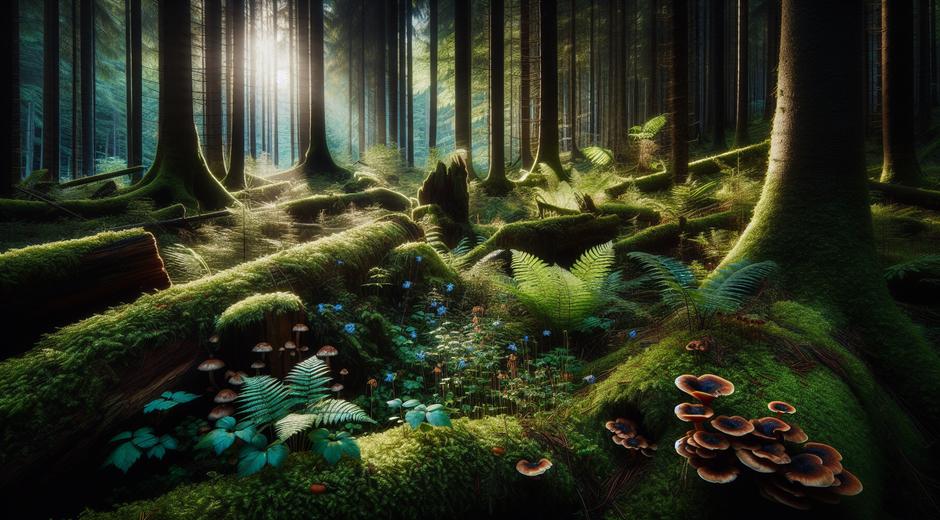
A typical forest has several vertical zones. The canopy forms the roof of the system the understory sits below it and the forest floor lies at the base. The understory itself can be divided into smaller layers of shrubs herbaceous plants seedlings and low trees but the general idea is a mid level of vegetation that adapts to low light conditions. Common understory plants include ferns herbaceous wildflowers shrubs and young trees. Non plant components such as fungi including mycorrhizal networks lichens and a rich community of insects and small vertebrates also belong to this layer.
Biodiversity and Habitat Value
The forest understory supports high biodiversity. Many species are specialized to live in the shade or to use the understory for cover and feeding. Birds nest and forage within these middle layers small mammals and amphibians use dense shrubs for shelter and many insect species complete their life cycles in understory plants. The understory also provides critical habitat for plant seedlings which represent the future of the stand. In old growth forests the understory often has rare shade tolerant species that are not found in younger stands.
Ecological Functions
The understory contributes to nutrient cycling by producing leaf litter and by supporting decomposers such as fungi and soil invertebrates. Roots from understory plants help stabilize soil and reduce erosion while also creating pathways for water infiltration. Mycorrhizal fungi linked to understory roots enhance nutrient uptake and help trees and shrubs share resources. The understory also moderates microclimate by buffering temperature extremes and by retaining humidity which benefits moisture sensitive species. In addition this layer can act as a nursery for canopy species by sheltering young trees until they can compete for light.
Interactions with Canopy and Soil
Light availability is the primary driver of understory composition. Canopy gaps created by fallen trees allow pulses of light that trigger growth and flowering in understory species. This dynamic creates spatial and temporal mosaics of plant communities. The understory influences soil chemistry through its litter which decomposes at varying rates depending on plant species. Nitrogen fixing plants in the understory can increase soil fertility while acid producing species may alter pH and nutrient availability. The exchange of sugars and signals via fungal networks further ties the understory to canopy trees forming an integrated ecosystem.
Threats to the Forest Understory
Despite its resilience the understory faces many threats. Invasive species often establish in the understory where they outcompete native plants for light and nutrients. Logging that removes the canopy abruptly changes light regimes and can favor opportunistic species leading to loss of native biodiversity. Fragmentation reduces connectivity and limits dispersal of understory organisms. Climate change alters temperature and precipitation patterns which can stress shade adapted species and favor drought tolerant or invasive species. Finally human activities such as recreational off trail use can damage sensitive understory vegetation and compact soil harming regeneration.
Conservation and Management Strategies
Protecting the understory requires a mix of strategies that preserve habitat structure and ecological processes. Maintaining continuous canopy cover or mimicking natural disturbance regimes helps retain species adapted to low light. Controlling invasive species through targeted removal and restoration with native plants supports biodiversity. Promoting natural regeneration by protecting seedlings and saplings from grazing can secure future stand composition. Land managers also use monitoring to detect early changes in understory composition and respond before losses become irreversible. For those seeking more resources on natural habitat and related topics visit bionaturevista.com where you will find guides and articles that explore forest layers in depth.
Restoration Practices for Understory Recovery
Successful understory restoration begins with assessment. Identify existing native species soil conditions and sources of invasive pressure. Restoration may include planting native shrubs and herbaceous species adjusting canopy density to provide appropriate light levels and restoring soil health through mulching and the addition of organic matter. Reintroducing mutualists such as mycorrhizal fungi can improve establishment rates. Long term success depends on adaptive management and ongoing maintenance to prevent reinvasion and to allow newly planted communities to establish and reproduce.
How to Observe and Support the Understory
Anyone can learn to appreciate the forest understory. When walking in woodlands slow down and look beneath the canopy. Note the diversity of leaf shapes textures and seasonal flowers. Use a notebook to record species and changes across the year. Volunteer with local conservation groups to help remove invasive species and to plant native understory flora. Citizen science projects often look for volunteers to monitor plant phenology and wildlife presence which helps researchers track ecosystem health. If you are looking for land near protected woodlands to enjoy nature or to build in a setting that values natural areas you may find resources at MetroPropertyHomes.com that list properties close to regional green spaces.
Research Methods and Scientific Importance
Scientists study the understory using repeated vegetation surveys seedling inventories light measurements and soil sampling. Long term plots reveal successional trajectories and the effects of disturbance and climate variation. Experimental plots where canopy cover is manipulated provide insight into how light and moisture shape plant communities. Remote sensing combined with ground truthing is improving our ability to map understory composition across landscapes. Advances in DNA based methods now allow the detection of cryptic plant and fungal species from soil samples which expands our knowledge of understory diversity.
Practical Tips for Photographers and Naturalists
Photographing the understory can be richly rewarding. Use a low angle to emphasize small plants and young trees. Diffuse soft light such as that on overcast days reduces harsh shadows and reveals color and texture. A macro lens highlights fine details of mosses fungi and insect life. Respect the habitat by avoiding trampling sensitive patches and by staying on established trails. Carry a small field guide or an identification app to learn species names and to build a record of observations.
Conclusion
The forest understory is a vital living layer that sustains biodiversity influences ecosystem processes and supports the resilience of forests. By valuing and protecting this understudied realm we improve habitat quality and secure ecosystem services that benefit nature and people. Whether you are a land manager a scientist a photographer or a nature lover taking time to observe and to support the understory contributes to healthier forests. Explore local woodlands learn to identify common understory species and participate in conservation work to ensure this layer thrives for future generations.