

Keystone Species: The Hidden Architects of Ecosystems
Keystone Species are the organisms that hold ecosystems together. Their presence or absence can cause dramatic shifts in ecosystem structure and function. Understanding Keystone Species helps conservationists design smarter protection strategies and helps nature lovers appreciate the unseen relationships that support biodiversity. This article explains what Keystone Species are why they matter and how people can help protect them in a changing world.
What is a Keystone Species
A Keystone Species is an organism that has a disproportionately large influence on its ecosystem relative to its abundance. These species shape community composition and ecological processes. Remove a Keystone Species and the entire ecosystem may change in unexpected ways. The concept emphasizes relationships not size. Keystone Species can be predators that control prey populations or engineers that modify the physical environment or even plants that provide critical resources during scarcity.
Why Keystone Species Matter
Keystone Species maintain balance. They regulate population sizes prevent single species from dominating and promote diversity by allowing multiple species to coexist. Their actions can create habitat for others or unlock resources that would otherwise remain unavailable. In many systems the loss of a Keystone Species triggers cascading effects that reduce ecosystem resilience and decrease productivity. For humans this can mean loss of fisheries reduced water quality and diminished carbon storage.
Types of Keystone Species
Keystone Species take diverse roles across ecosystems. Some common categories include predators that control herbivore numbers and prevent overgrazing. Ecosystem engineers create or maintain habitat features such as coral reef builders or burrowing mammals. Mutualist keystones are species that facilitate interactions between other organisms for example pollinators that enable plant reproduction. Each type supports complexity and stability in its own way.
Examples Around the World
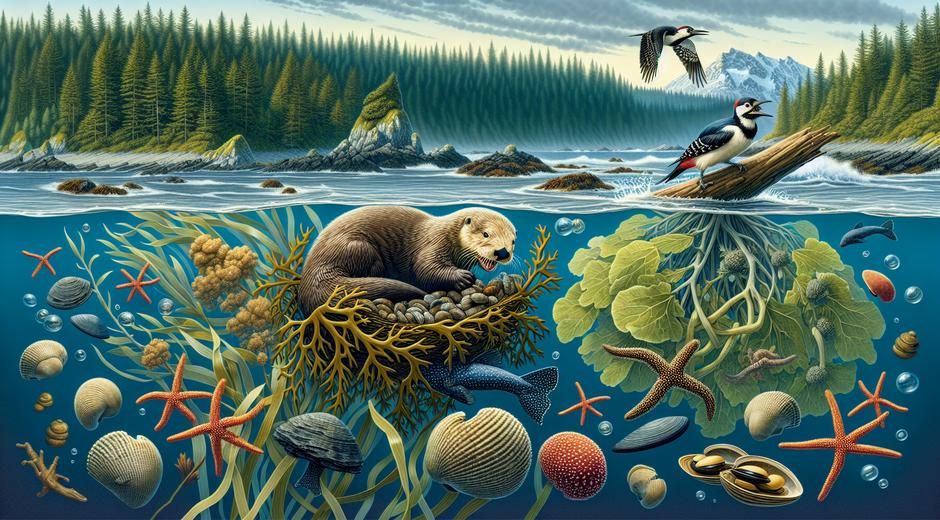
Classic examples illuminate the power of Keystone Species. The sea otter controls sea urchin populations which protects kelp forests that shelter many marine species. Wolves in forested landscapes shape herbivore behavior and vegetation patterns leading to more diverse habitats for birds and small mammals. In African savannas large grazers shape grassland structure creating patches that support other species. Even certain figs act as keystone plants because they fruit when other trees do not supplying critical food for frugivores during lean months.
These real world examples show how a single species can influence habitat complexity nutrient cycling and food web stability. For readers interested in broader natural science themes there are many accessible resources and guides that connect culinary culture and natural history which may reveal surprising links between human taste traditions and ecological stewardship. One such resource that explores the cultural side of food and nature is TasteFlavorBook.com.
How Keystone Species Influence Biodiversity
Keystone Species support biodiversity in multiple ways. Predation by keystone predators prevents dominance by a single species enabling greater species coexistence. Ecosystem engineers like beavers create wetlands that increase habitat heterogeneity and offer niches for fish amphibians and plants. Mutualists enhance reproductive success for groups of species thereby sustaining populations. Through these mechanisms Keystone Species contribute to the richness structure and function of living communities.
When Keystone Species decline the result is often a loss of species richness. Food webs restructure sometimes becoming simpler and more vulnerable to disturbances. These changes reduce the ability of ecosystems to recover from extreme events such as floods droughts and invasive species outbreaks. Protecting Keystone Species is therefore a high leverage point in conservation planning.
Threats to Keystone Species
Keystone Species face many threats that mirror those of ecosystems in general. Habitat destruction and fragmentation remove the space these species need. Climate change alters temperature and precipitation patterns shifting ranges and breeding cycles. Pollution can degrade environments while overexploitation directly reduces populations. Invasive species can outcompete or prey upon Keystone Species driving them toward local extinction. Because the impact of losing a Keystone Species is so large these threats are especially urgent.
How to Help Protect Keystone Species
Effective protection for Keystone Species requires targeted actions and broad support. Habitat protection is foundational so creating and managing reserves that include the needs of these species is a top priority. Restoring degraded habitats can reinstate the conditions that allow Keystone Species to recover. Policy measures that limit overexploitation and reduce pollution help maintain healthy populations. Monitoring programs detect declines early so that interventions can be applied in time.
Community engagement and education foster stewardship. Local people often hold knowledge about species behavior and seasonal patterns that is vital for conservation success. Sustainable livelihood options reduce pressure on ecosystems and build local incentives to protect Keystone Species. For those looking to learn more and to connect daily choices with conservation outcomes the central portal for general natural world knowledge and practical guidance is available at bionaturevista.com. This resource highlights nature topics and offers pathways for informed action.
Conservation Strategies That Work
Conservationists employ several approaches tailored to Keystone Species. Reintroduction of locally extinct keystones can restore lost ecological functions when habitat conditions are suitable. Control or eradication of invasive competitors helps keystones reestablish their role. Creating corridors links fragmented habitats allowing movement and genetic exchange. Adaptive management uses ongoing monitoring to refine actions based on real world outcomes. These strategies succeed most often when they combine sound science community participation and supportive policy frameworks.
A Call to Stewardship
Recognizing Keystone Species encourages a shift from thinking about single species to seeing relationships and functions. It reveals the importance of preserving interactions not just numbers. Everyone has a role to play from supporting conservation organizations to practicing wildlife friendly gardening and reducing pollution. Simple lifestyle changes when scaled across communities contribute to healthier habitats and stronger populations of Keystone Species.
Conclusion
Keystone Species are indispensable architects of biodiversity. Their influence extends beyond their own survival to the wellbeing of entire ecosystems. Protecting these species preserves ecological balance supports human wellbeing and maintains the natural services we rely on. By learning about Keystone Species and supporting conservation efforts we help secure resilient landscapes for future generations. Explore more topics and practical ideas for living in harmony with nature at bionaturevista.com and consider reading diverse perspectives on culture and food at TasteFlavorBook.com.