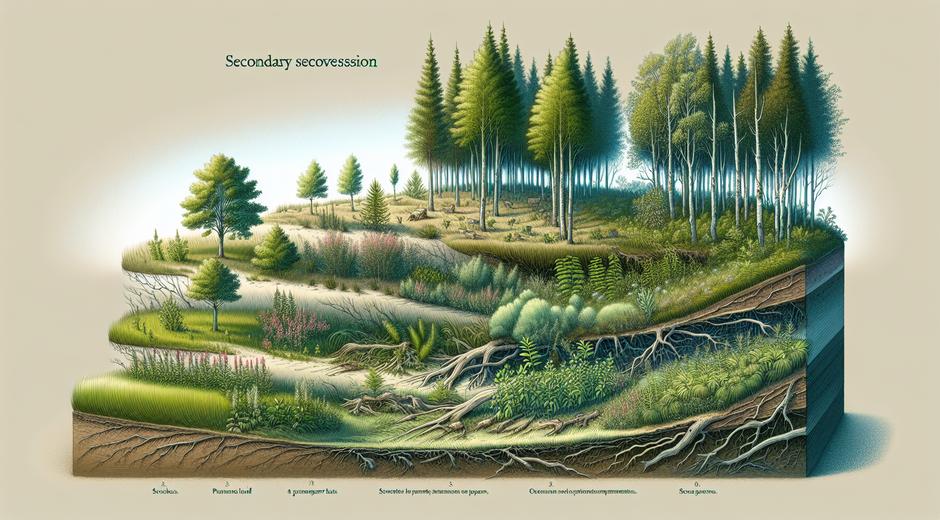


Secondary Succession
Secondary Succession is a central concept in ecology that describes how ecosystems recover after a disturbance that leaves soil and some life forms intact. Understanding this process helps conservationists restore degraded landscapes and guides land managers in promoting biodiversity and ecosystem services. This article explores the stages of Secondary Succession the drivers that shape its trajectory and practical implications for restoration and conservation planning.
What Secondary Succession Means
Secondary Succession refers to the ecological changes that occur following a disturbance such as a fire a flood logging or agricultural abandonment when some biological legacies remain. Unlike primary succession which begins on newly formed surfaces with no soil Secondary Succession starts on ground that already contains seeds roots and soil microbes. Because the foundation of life remains present Secondary Succession is typically faster and follows a more predictable sequence of community assembly.
Stages of Secondary Succession
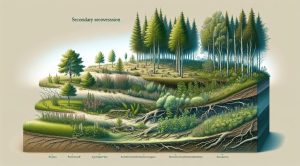
Although the exact sequence varies by climate geography and the nature of the disturbance a common progression appears. Early stages are dominated by fast growing opportunistic species that can quickly colonize open patches. These species prepare the site by stabilizing soil adding organic matter and creating shade. As conditions change slower growing perennials shrubs and young trees establish leading to increased species richness and structural complexity. Over time a mature community emerges that may resemble the pre disturbance ecosystem or in some cases develop into a new stable state.
Key elements in each stage include seed banks in the soil vegetative regrowth from root crowns and surviving organisms that disperse seeds and spores into the recovering area. The presence of soil microbes fungi and mycorrhizal networks accelerates nutrient cycling and supports plant establishment making Secondary Succession fundamentally interactive across trophic levels.
Factors That Drive Secondary Succession
Multiple interacting factors influence the path and pace of Secondary Succession. These include the intensity and scale of the disturbance the availability of seed sources proximity of intact habitats and the life history traits of colonizing species. Climate patterns soil fertility and the presence of invasive species also have strong effects. Human activities such as selective logging grazing and fire suppression can alter successional trajectories by changing disturbance regimes and resource availability.
Biological interactions shape the outcome as well. Early colonizers may facilitate later arrivals by improving microclimate and soil properties or alternatively they may inhibit establishment through intense competition or allelopathy. Understanding these interactions helps managers predict likely successional pathways and select interventions that favor desired outcomes.
Examples From Natural Systems
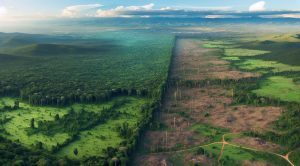
Classic examples of Secondary Succession include grasslands that regrow after agricultural use abandonment forests that recover after wildfires and riparian zones that reestablish following floods. In many temperate forests for instance pioneer tree species dominate the canopy within a few years and shade tolerant species gradually replace them leading to a complex multi layered forest within decades or a century depending on site conditions.
In Mediterranean climates succession following fire often favors shrubs and sclerophyllous trees adapted to periodic burning. In tropical regions Secondary Succession on abandoned farmland can be rapid with woody vegetation returning within a decade and faunal communities reassembling as habitat complexity increases. Each example underscores the role of local context in shaping the recovery process.
Implications for Conservation and Restoration
Secondary Succession offers a natural template for ecological restoration. Passive restoration that allows natural processes to unfold can be cost effective when surrounding intact habitats supply seeds and fauna. Active restoration such as planting native species controlling invasive organisms and restoring soil structure may be necessary when legacies are severely diminished or when desired ecosystem services are urgent.
Restoration practitioners often combine both approaches for best results. For example establishing nurse plants or initial cover species can accelerate recovery by improving soil conditions and attracting seed dispersers. Over time the planted assemblage gives way to a more diverse community shaped by local species pools and environmental filters.
Adaptive management is essential. By monitoring successional progress and adjusting interventions practitioners can respond to unexpected challenges such as invasive infestations or prolonged droughts. Education and community involvement also help sustain restoration efforts through local stewardship and support.
Secondary Succession Versus Primary Succession
Comparing Secondary Succession with primary succession clarifies why recovery dynamics differ. Primary succession begins from bare rock lava or recently exposed glacial till where soil formation is a major limiting factor. In contrast Secondary Succession benefits from existing soil seed banks and surviving organisms making the initial recovery more rapid. Both processes involve species assembly facilitation and competition yet the starting conditions lead to distinct timelines and management needs.
Human Influence and Future Considerations
Human induced changes to climate land use and disturbance regimes pose new challenges for Secondary Succession. Increased frequency and intensity of fires invasive species expansion and altered precipitation patterns can push recovering ecosystems toward novel states that differ substantially from historical baselines. Anticipatory management that integrates climate projections and landscape connectivity planning helps maintain resilience and the capacity of ecosystems to recover.
Urban planning that preserves patches of native vegetation and wildlife corridors enhances seed flow and fauna movement facilitating Secondary Succession in nearby degraded sites. Agricultural systems that incorporate fallow periods cover crops and agroforestry elements can mimic natural processes and support biodiversity recovery across working landscapes.
Practical Steps for Supporting Succession on a Local Scale
Landowners and community groups can encourage Secondary Succession by protecting remnant vegetation providing native seed sources and reducing further disturbance. Where invasive species dominate targeted removal combined with re introduction of native plants can redirect succession toward desired outcomes. Soil health measures such as organic amendments and erosion control stabilize physical conditions and support microbial communities that are vital for plant establishment.
Engaging local schools and citizen groups in monitoring and planting initiatives fosters long term care and generates valuable data on successional progress. For readers seeking resources on ecology and study methods a curated resource can be helpful such as StudySkillUP.com which offers study aids and guides for students and practitioners working in environmental fields.
Learn More and Stay Connected
If you want more articles case studies and practical tips on ecological processes and nature based restoration visit bionaturevista.com where we publish guides research summaries and examples that help readers better understand the living world and how to protect it. By learning about Secondary Succession you gain tools to support natural recovery to promote biodiversity and to plan for resilient landscapes in a changing world.
Secondary Succession illustrates nature capacity for renewal and offers pathways for humans to restore function and diversity to damaged ecosystems. With informed action partnerships and long term commitment the regenerative power of Secondary Succession can be harnessed to create healthier landscapes for future generations.