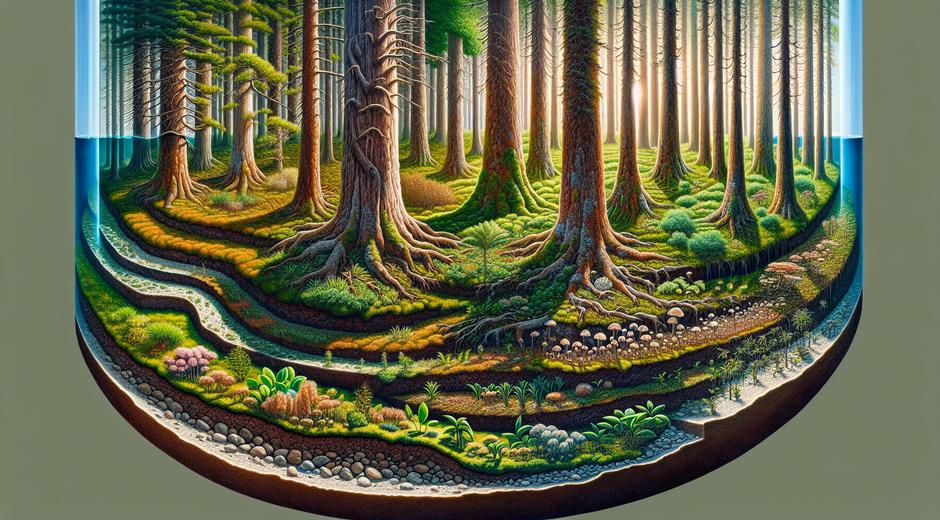


Primary Succession: How Life Rebuilds on Bare Ground
Primary Succession is a foundational ecological process that explains how living communities develop on surfaces that initially lack soil and established life. From lava flows to glacial till to newly formed sandbars, primary succession describes the steady transformation of barren landscapes into diverse ecosystems. Understanding Primary Succession helps scientists, conservationists and curious nature lovers see how ecosystems recover after large scale change and how biodiversity gradually establishes itself from the very first colonizers.
What Is Primary Succession?
Primary Succession begins on substrates that have no organic material and no soil layer. In these situations the first organisms to arrive are usually hardy colonizers that can tolerate extreme conditions and can begin the slow process of soil formation. Over time these pioneers change the environment, making it more hospitable for other species. The result is a sequential development of communities that increases complexity and stability. The keyword Primary Succession captures this entire process and is essential for anyone studying ecology or ecosystem recovery.
Stages of Primary Succession
Primary Succession follows a general sequence that ecologists have described in stages. While the timing and species involved vary with climate and geography, the pattern is remarkably predictable. First come the pioneer organisms. These are often algae, lichens and some mosses that attach to bare rock or loose sediment. They begin to trap dust and organic matter and they secrete acids that slowly break down rock into fine particles.
As organic matter accumulates and physical weathering continues, a thin soil layer develops. Small herbaceous plants and grasses move in next. These species further increase organic content through leaf drop and root growth. These early plants are important for stabilizing the substrate and for promoting microbial communities that cycle nutrients.
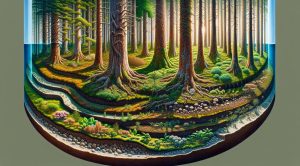
Later successional stages include shrubs and young trees that can establish in the deeper soil. With more shade and a richer soil profile the diversity of plants and animals expands. In the final stages certain ecosystems may reach a relatively stable condition often called a climax community. In many temperate regions this can be a forest with mature trees, a rich understory and a complex web of animal life. The full transition from bare rock to mature community can take decades to centuries depending on local conditions.
Key Drivers of Primary Succession
Several physical and biological factors shape how Primary Succession unfolds. Climate plays a major role. Temperature and moisture determine which pioneer species can survive and how quickly soil formation progresses. Substrate type matters as well. Volcanic rock weathers differently than glacial till or sand. The presence of nearby seed sources influences which plants can colonize an area and how fast the process moves forward.
Biological interactions are also central. Pioneer species modify the environment in ways that allow other species to establish. For example nitrogen fixing bacteria and certain plants increase soil fertility. Fungi form mutualisms with roots, improving nutrient uptake. Herbivores and predators later add new layers of interaction that shape community dynamics. Feedback loops between organisms and their environment accelerate or slow the pace of Primary Succession.
Examples of Primary Succession in Nature
Classic examples of Primary Succession include the landscapes formed after volcanic eruptions. When lava cools into fresh rock, it offers a blank slate where life must start from scratch. Lichen and certain mosses are often the first visible life forms. Similarly retreating glaciers expose glacial till that lacks vegetation. Over time these exposed surfaces can develop into meadows and eventually forests as succession proceeds.
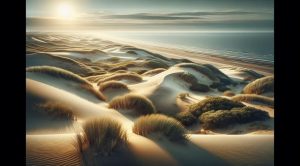
Coastal sand bars and islands provide another example. After storms or sea level change creates new sand deposits, dune grasses and hardy shrubs can colonize. These plants trap sand and organic matter which leads to dune stabilization and the establishment of a broader plant community.
Why Primary Succession Matters for Biodiversity
Primary Succession is a natural laboratory for understanding how biodiversity builds from small beginnings. It demonstrates how species introductions and ecological processes can increase habitat complexity and species richness. As soil depth and nutrient availability increase, the number of ecological niches grows. That process supports a wider range of plants, insects, birds and mammals.
Recognizing how Primary Succession naturally restores ecosystems offers valuable lessons for restoration ecology. When humans design projects to recover damaged landscapes, mimicking natural successional sequences can improve success. For example introducing pioneer plants that facilitate soil formation can speed recovery on degraded sites and reduce erosion. Knowledge of Primary Succession helps guide planting choices and management timelines for long term habitat recovery.
Human Influence and Assisted Succession
Human activity has altered many natural successions by changing climate, introducing invasive species and altering disturbance regimes. In some cases humans intervene to assist succession on sites that may not recover on their own. Techniques may include soil stabilization, addition of organic matter, planting of native pioneers and control of invasive competitors. While human assisted succession can accelerate recovery it must be carefully planned to avoid unintended consequences such as loss of local genetic diversity.
Public education about Primary Succession also matters. When people witness a former wasteland slowly turn into a thriving habitat they gain appreciation for the resilience of nature and for the need to protect early stage habitats that can be crucial stepping stones for migrating species.
How to Observe Primary Succession Where You Live
Observing Primary Succession in your local area can be a rewarding way to connect with natural processes. Look for sites with recent disturbances such as landslides, river deposition areas and reclaimed quarries. Coastal blowouts and newly formed islands may also show early successional stages. Take notes on the types of organisms present, the soil depth and any visible signs of weathering. Photograph the area periodically to document changes over time. Citizen science projects that collect such observations are useful for researchers and help build public engagement with ecology.
If you want to learn more about natural processes and ecological recovery you can explore a range of nature articles and guides at bionaturevista.com where we cover succession along with many related topics. For related lifestyle content that connects outdoor activity and wellbeing visit SportSoulPulse.com which features outdoor health and activity resources that complement ecological learning.
Common Misconceptions About Primary Succession
One common misconception is that succession always leads to a single endpoint. In reality many ecosystems do not reach a stable endpoint because disturbances can reset succession or create shifting mosaics of habitat. Another misconception is that succession always happens quickly. Primary Succession can take many decades and in some cases centuries before mature communities form. Patience is part of understanding these dynamics.
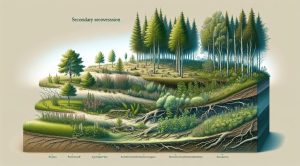
People sometimes confuse Primary Succession with secondary succession. The difference is clear once you know the starting conditions. Secondary succession occurs on soil that already contains seeds and organic matter after a disturbance such as fire or farming. Primary Succession starts from bare ground without a soil layer, which is why soil building is such a central component.
Conclusion
Primary Succession is a powerful concept that reveals how life can transform the most inhospitable surfaces into rich ecosystems. By following the stages from pioneer colonizers to complex communities we can appreciate the complex interactions that build biodiversity and ecosystem function. Whether you are a student, practitioner or nature enthusiast, observing Primary Succession offers insights into resilience, recovery and the long term interplay between life and landscape.