

Zero Waste Guide for a Natural Life style
Adopting a zero waste approach is one of the most powerful ways to protect nature while enriching your daily life. The phrase zero waste describes a life that aims to send nothing to a landfill or to incineration. It is a mindset that supports reduction reuse repair and thoughtful consumption. This article explains why zero waste matters how to begin easy practical steps and how travel and nature exploration can stay clean and regenerative.
Why zero waste matters for nature
Our planet faces pressure from resource extraction single use packaging and pollution. Every action to reduce waste protects ecosystems habitats and biodiversity. Zero waste reduces the demand for raw materials lowers energy use and prevents chemicals and plastics from reaching soil rivers and oceans. It also supports resilient local economies by encouraging repair reuse and community sharing. When people embrace zero waste they reduce the strain on natural systems and create positive feedback loops that benefit future generations.
Principles to guide a zero waste lifestyle
Zero waste revolves around simple principles that shape decisions at home at work and when you travel. Start with refusing items you do not need then focus on reducing consumption choosing reusable options and repairing items that are still functional. After that consider composting organic matter and recycling properly the materials accepted by local programs. Prioritizing durable quality and multi use items will reduce overall consumption and save money over time.
Practical zero waste strategies for home
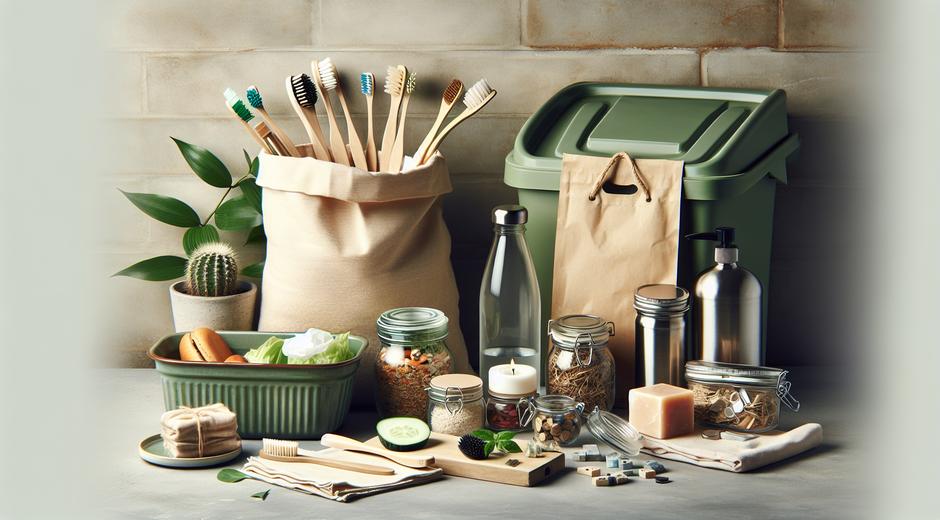
Begin with a waste audit to understand where most of your waste comes from. For many households packaging from food and personal care items makes up the largest share. Shop with lists and choose products with low or no packaging. Bring your own containers to bulk stores and fill glass jars with grains nuts and spices. Replace disposable cleaning supplies with washable cloths reusable mops and concentrated cleaning solutions in refillable bottles. Choose personal care items in solid forms such as bar soap shampoo bars and toothpaste tablets to avoid plastic containers.
Food waste is a major contributor to greenhouse gas emissions. Plan meals store leftovers properly and learn basic composting to return food scraps to the soil. If you do not have space for a compost pile consider a community garden program that accepts kitchen scraps. When shopping choose seasonal local produce and support farmers who practice regenerative methods.
Zero waste on the move
When you leave home maintain the same principles. Carry a reusable water bottle coffee cup and cutlery set. Keep a cloth bag for impromptu shopping and a small container for take away meals. For long distance travel pack light choose reusable toiletries and avoid single use items offered by accommodations. For inspiration and planning use travel resources that highlight sustainable options such as green stays low impact tours and local experiences. For hands on travel guidance and curated suggestions check planning partners that specialize in mindful outdoor experiences like TripBeyondTravel.com which features nature centered itineraries and tips for leaving minimal trace.
Zero waste for families and communities
Teaching children zero waste habits early creates lifelong appreciation for nature. Involve kids in food planning garden projects and simple repairs. Create swap groups at schools and with neighbors to share toys books and clothing. Community repair events can save items from disposal and build skills. Local buy nothing groups or community exchanges keep usable goods circulating and reduce the overall need for new purchases.
Shopping with purpose
Intentional shopping is essential to reduce waste. Look for products designed for longevity and for brands that offer refill systems. Prioritize materials that are recyclable in your area or compostable where appropriate. Support local makers artisans and small businesses that use minimal packaging and local supply chains. When you need to buy a gift consider experiences or consumables that do not add to clutter. For further reading on sustainable living and nature centered guides visit resources such as bionaturevista.com which covers natural life style tips and eco friendly practices.
Composting and soil care
Composting turns organic waste into a valuable soil amendment. A backyard composting system can accept fruit and vegetable scraps yard trimmings and some paper materials. If backyard space is limited try vermicomposting with worms or bokashi systems for indoor fermentation of food scraps. Well made compost reduces the need for chemical fertilizers helps retain moisture in the soil and supports healthy microbes. Using compost in gardens and planters closes a loop that returns nutrients to the land and supports vibrant plant life.
Dealing with packaging and single use plastics
One of the biggest hurdles for zero waste is packaging. Start by refusing single use bags straws and plastic cutlery. Carry reusable containers and buy in bulk where possible. Choose products packaged in glass metal or paper that are widely recycled. When recycling is the only option learn local rules to avoid contamination. Many communities offer deposit systems or take back programs for items like batteries and electronics. Advocate for better packaging policies in your area and support brands that use refill stations or concentrate formats.
Repair reuse and the value of second life
Extending the life of goods prevents waste at the source. Learn simple repair skills for clothing small appliances and furniture. Use sewing kits and repair patches and keep basic tools on hand. Donate items that you no longer need but that are still functional and seek out vintage and second hand stores when shopping. Upgrading electronics less frequently and maintaining devices properly reduces e waste and the demand for new manufacturing resources.
Measuring progress and staying motivated
Set realistic milestones and celebrate small wins. Track the reduction in your waste output month to month. Create a visible station for reusable items by the door to make habits stick. Join local groups online or in person to exchange tips recipes and repair strategies. Share successes with friends and family and invite others to try simple swaps. Knowing that your choices help protect rivers forests and wildlife is a powerful motivator and connects everyday actions to broader conservation goals.
Conclusion
Zero waste is not about perfection. It is about making better choices more often and creating systems that respect nature. Every change whether small or large contributes to cleaner air healthier soils and thriving ecosystems. Start with one habit at a time replace disposables with reusables plan meals and compost food scraps and support local and sustainable businesses. Use trusted resources and travel partners to explore nature with care and respect. By choosing zero waste you protect the planet and create a legacy of abundance for coming generations.