

Rewilding Projects: Restoring Wild Nature for People and Planet
Rewilding projects are emerging as one of the most hopeful approaches to restore ecosystems, boost biodiversity and reconnect people with the natural world. These large scale and small scale initiatives focus on allowing natural processes to return, on supporting native species recovery and on building resilient landscapes that can adapt to changing climates. For anyone who cares about wildlife, clean rivers and healthy soils, understanding how rewilding projects work and how they can be supported is essential.
What are rewilding projects?
At their core rewilding projects aim to restore the ecological functions that sustained landscapes before intensive human alteration. This can include reintroducing key species, restoring natural water flows, letting forests or grasslands recover, and creating connected habitat corridors that allow wildlife to move and adapt. Unlike conservation that often focuses on protecting single species in isolation, rewilding projects prioritize processes such as predation grazing natural succession and hydrological dynamics so that a living system can become self sustaining again.
Core principles behind rewilding projects
Successful rewilding projects rest on several shared principles. First is a focus on restoring natural processes. Instead of constantly managing every aspect of the landscape the goal is to set in motion the ecological dynamics that will maintain diversity over time. Second is connectivity. Small isolated reserves can only support so much life. Creating links between habitats allows genes to flow populations to recover and species to shift range in response to environmental change. Third is a pragmatic approach to reintroductions. Bringing back missing species can be transformative but must be guided by science community consent and long term monitoring. Fourth is adaptive management. Rewilding projects plan for uncertainty and respond to new information and changing conditions.
Examples of successful rewilding projects
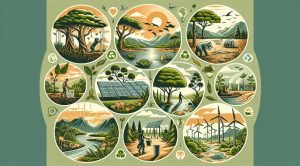
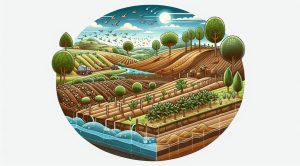
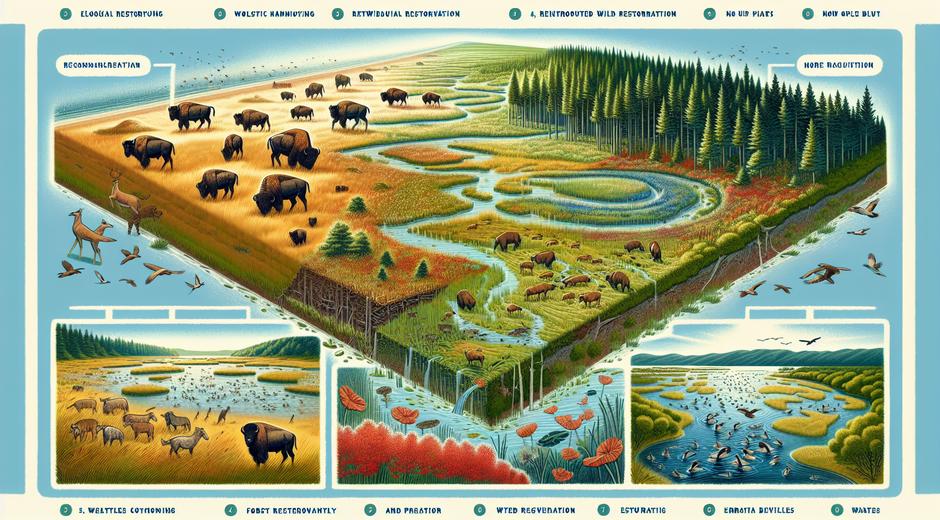
Across the world projects large and small are showing what is possible. In some rivers the removal of obsolete barriers has restored fish migration and rejuvenated wetlands. In landscapes where large herbivores or carnivores were missing entire food webs have shifted after targeted reintroductions. Private landowners and community groups are converting marginal farmland back to mosaic habitats that support pollinators birds and small mammals. Urban rewilding projects are also growing, converting vacant lots and brownfield sites into wildflower meadows and native woods that support urban biodiversity and provide green space for people.
Each example teaches practical lessons about governance scale and the need for long term local support. Where communities are consulted and benefit from nature restoration projects public acceptance increases and the outcomes are more durable. Where monitoring guides adjustments the ecological returns are greater. Rewilding projects can vary from pocket sized community gardens that benefit pollinators to landscape scale efforts that transform entire river catchments.
Benefits for biodiversity communities and climate resilience
Rewilding projects deliver multiple benefits. For biodiversity they restore habitat complexity allow species to recover and reestablish food webs. For communities they create opportunities for nature based recreation local employment and improved water quality. Rewilded landscapes also store more carbon in soils and vegetation which contributes to climate resilience. When wetlands are restored flood risk can fall and when forests recover sediment loads in rivers can decline improving conditions for fish and downstream users.
There are also important wellbeing advantages. Access to wild places supports mental health learning and a deeper sense of place. For families seeking outdoor activities and nature based learning resources there are useful guides and ideas available online such as CoolParentingTips.com which offers creative ways to involve children in nature observation simple habitat projects and safe outdoor exploration. Linking local rewilding work to learning and to local culture helps build a broad base of public support.
How to get involved in local rewilding projects
Individuals can make a real difference by supporting local projects through volunteering donating or by changing how they manage their own land. Home gardeners can plant native species create small ponds and reduce chemical use to provide stepping stones for wildlife. Neighborhood groups can transform verges and vacant lots into wildlife friendly corridors. Landowners can explore options to restore natural flood plains plant native woodlands or allow areas to regenerate naturally under careful guidance.
For readers seeking reputable information about local initiatives and about how to take part a trusted resource is available at bionaturevista.com where you will find articles case studies and practical tips for readers who want to support rewilding projects in their region. Partnering with established conservation organizations or local authorities can also provide technical support for more complex interventions such as species reintroduction habitat restoration or water management.
Designing rewilding projects that work
Design begins with clear objectives and with good baseline data. Mapping existing habitats species distributions and human use patterns helps set priorities for action. Building social consent is equally important and this means early engagement with farmers indigenous groups recreational users and local governments. Funding models can range from grants and public funds to payments for ecosystem services and community enterprise models where restored nature supports tourism or local products.
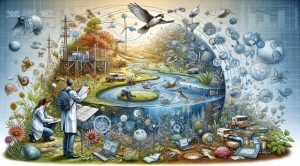
Careful monitoring and learning loops are needed to track ecological change and to adapt management. Simple measures such as species counts water quality tests and photographic records can reveal trends. More sophisticated monitoring can include remote sensing genetic sampling and partnerships with universities. All projects, regardless of scale, benefit from clear milestones realistic timelines and transparent reporting to stakeholders.
Challenges and how to address them
Rewilding projects face challenges from competing land uses short term economic pressures and social concerns about changes in wildlife. Addressing these issues requires clear communication about expected outcomes risk management and benefit sharing. Compensation or incentives for landowners who set aside land for rewilding can reduce conflict. Education and demonstration projects help show what recovering nature looks like and how it can coexist with farming and local livelihoods.
Legal and regulatory frameworks can be another hurdle. Where regulations discourage restoration or where permits are complex it helps to work with local authorities to find pragmatic solutions. In some cases pilot projects can demonstrate legality and safety while providing evidence that supports regulatory evolution.
The future of rewilding projects
The future is likely to see a mix of approaches scaled to local needs and ecological realities. Advances in ecological science remote sensing and citizen science will make it easier to plan monitor and scale rewilding work. Greater recognition of natural capital and of the long term benefits of healthy ecosystems may unlock new funding and policy support. Crucially rewilding projects that integrate social equity cultural values and local knowledge will be the most resilient and transformative.
Rewilding projects are not a single recipe but a flexible set of actions guided by science and community. They invite a shift from narrow control to stewardship from short term gains to long term resilience. For anyone who values wild places and healthy communities engaging with rewilding projects offers a practical way to help nature thrive again.
Next steps and resources
If you want to explore rewilding projects start by learning about local habitats and species join a community group or attend a public meeting on land use. Look for opportunities to create wildlife friendly features at home and to support landscape scale efforts through volunteering and advocacy. Reliable information and inspiration for family activities and for community engagement can be found on curated sites that bridge nature and practical life skills.
Rewilding projects are a path to restore balance between people and the living world. With thoughtful design science based monitoring and strong community participation these projects can transform degraded land into vibrant living systems that support both nature and people.