

Organic Farming: A Practical Guide to Healthier Soil Healthier Food and Stronger Communities
What Is Organic Farming and Why It Matters
Organic farming is an agricultural approach that prioritizes natural processes to grow food without synthetic chemicals or genetically modified organisms. It focuses on soil fertility biodiversity and the balanced use of natural resources. As consumers become more aware of where their food comes from and how it is produced organic farming has moved from a niche market to a mainstream movement that supports healthier people and a healthier planet.
Core Principles of Organic Farming
The foundations of organic farming rest on building soil health using natural inputs and cycles. Key principles include enhancing organic matter in the soil using compost and plant residues encouraging diverse crop and animal systems to promote resilience and using biological pest control strategies. The aim is to create an ecological balance that reduces dependency on external inputs while maintaining productivity.
Soil Health Is the Cornerstone
Healthy soil is the most valuable asset in organic farming. Practices that build soil health include adding well matured compost using cover plants to protect and feed the soil and rotating crops to prevent nutrient depletion and break pest cycles. Soil rich in organic matter retains moisture better supports diverse microbial communities and enhances nutrient availability for crops. Over time farms that invest in soil health see improved yields better crop quality and greater resistance to drought and disease.
Crop Rotation and Diversity
Crop rotation plays a crucial role in organic systems. By changing crops in a planned sequence farmers interrupt pest life cycles reduce disease pressure and manage soil fertility naturally. Including legumes in a rotation helps fix nitrogen in the soil while deep rooted plants can mobilize nutrients from lower soil layers. Intercropping and polyculture increase on farm biodiversity create habitat for beneficial insects and reduce the risk of total crop failure compared with monoculture systems.
Natural Pest and Weed Management
Organic farming uses a suite of non chemical strategies to manage pests and weeds. These include cultural methods such as timing plantings to avoid peak pest populations mechanical tools to remove weeds and fostering beneficial predator insects through habitat planting. Biological control agents like beneficial nematodes and microbial products can suppress specific pests. The goal is not to eliminate all pests but to keep pest populations below economic thresholds using methods that do not harm the wider environment.
Organic Fertility Strategies
Fertilizers in organic systems come from plant or animal sources and approved mineral products. Compost green manures and animal manures provide slow release nutrients while enhancing soil structure. Rock minerals or naturally derived mineral amendments can supply specific elements where soils are deficient. The focus is on maintaining nutrient cycling and minimizing nutrient loss to water systems so that farmland supports healthy crops without degrading surrounding ecosystems.
Water Conservation and Management
Organic farms often use practices that conserve water and protect water quality. Mulching reduces evaporation and keeps soil cooler. Improving soil organic matter increases the soil ability to hold water reducing irrigation needs. Contour farming and planting vegetative buffers help slow runoff and prevent soil loss. These measures protect streams and groundwater from sediment and nutrient pollution which benefits both agricultural productivity and downstream communities.
Biodiversity Benefits
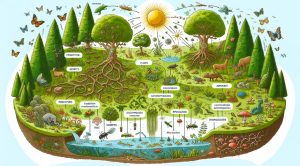
Organic farming supports biodiversity both above and below ground. Hedgerows buffer strips and field margins provide habitat for pollinators birds and beneficial insects. Diverse crop rotations and reduced chemical inputs allow soil microbial communities to thrive. Increased biodiversity contributes to ecosystem services such as pollination natural pest control and nutrient recycling that are essential to sustainable food production.
Health and Consumer Benefits
Consumers often choose organic food for perceived health benefits and reduced exposure to synthetic pesticide residues. Several studies show that organic produce can have lower levels of pesticide residues and in some cases higher levels of certain nutrients. Beyond personal health organic systems can reduce chemical runoff into waterways and lower chemical exposure for farm workers and rural neighbors.
Market Trends and Economic Opportunities
Demand for organic products continues to grow in many regions creating market opportunities for farmers and processors. Premium prices for certified organic goods can offset higher labor costs and investment in soil building practices. Direct marketing strategies such as farmers markets community supported agriculture and on farm sales help farmers capture greater value. Export markets and institutional procurement from schools hospitals and public programs also provide scale opportunities.
Certification and Standards
Organic certification verifies that a farm meets defined standards for production handling and record keeping. Certification requirements vary by country but commonly include restrictions on synthetic chemicals the use of approved natural inputs and procedures for traceability. While certification entails costs and paperwork many farmers find that the market access and consumer trust that certification brings justify the effort.
How to Transition to Organic Farming
Transitioning to organic farming is a process that requires planning and patience. Key steps include conducting a soil test and mapping nutrient needs designing a crop rotation and fertility plan and establishing record keeping practices that meet certification rules. Many farmers start by converting a portion of their land to test methods and learn from results. Working with local extension services farmer networks and experienced mentors can shorten the learning curve and reduce risks.
Tips for Small Scale Farmers and Gardeners
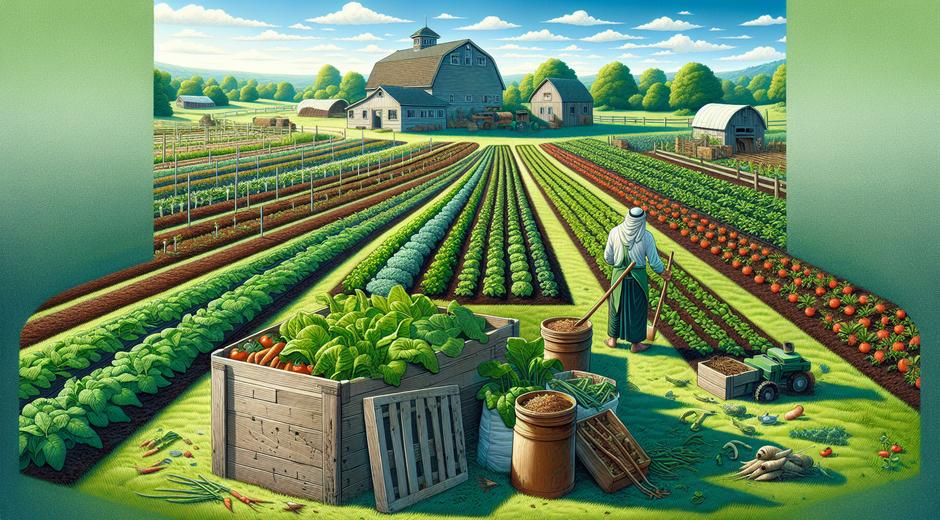
Small scale producers can adopt organic practices in ways that match their scale and resources. Start with composting kitchen and garden waste to create rich soil amendment. Use cover plants in off seasons to protect soil and add nutrients. Practice careful seedbed preparation and hand weeding when appropriate and attract beneficial insects with flowering plants. Small producers often benefit from direct consumer relationships which allow storytelling around farming practices to add value.
Common Challenges and How to Overcome Them
Organic farming can present challenges such as managing weeds establishing fertility and dealing with pests without quick chemical fixes. The most effective response is an integrated approach that combines good planning monitoring and diversified practices. Investing time in prevention strategies like building soil and designing fields for resilience pays off over time. Networking with other organic growers and accessing technical support helps solve specific issues efficiently.
Policy and Community Support
Public policy can accelerate organic adoption by providing financial support for transition technical assistance and research into low input methods. Community initiatives that support local markets education and land access are equally important. Strengthening local networks increases knowledge sharing and builds the social infrastructure that helps organic farming thrive.
Resources and Further Reading
To explore more about sustainable living and natural systems visit bionaturevista.com where you will find practical articles guides and case studies. For cultural and educational experiences that can complement farm based tours check out Museatime.com which highlights museum visits and curated events that connect people with nature and heritage.
Conclusion
Organic farming offers a pathway to resilient food systems that nourish people and restore natural processes. By focusing on soil health biodiversity and ecological balance farmers can produce nutritious food while protecting water and wildlife. Whether you are a small gardener or a commercial producer the principles of organic farming provide practical methods to grow food in ways that are sustainable equitable and rewarding.