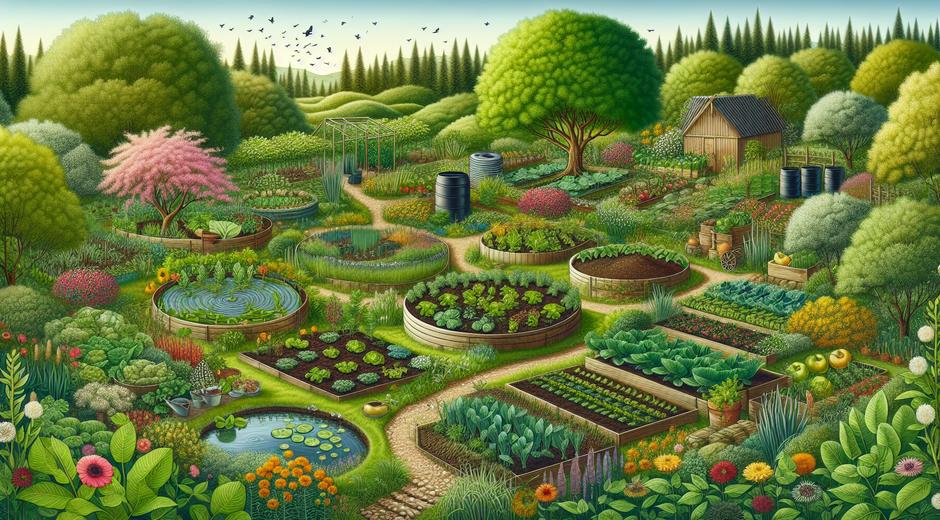


Permaculture Gardens: A Practical Guide to Regenerative Yard Design
Permaculture gardens are more than a style of planting. They are a design philosophy that blends ecology, local climate, and human needs into productive landscapes that require less input and yield more value over time. For gardeners who want to move beyond rows of single crops into resilient systems that build soil fertility, conserve water, and support biodiversity, permaculture gardens offer a clear path forward. This article explains core principles, design steps, plant choices, maintenance strategies, and ways to adapt permaculture gardens to any scale.
What Makes a Permaculture Garden Different
At the heart of permaculture gardens is a focus on relationships. Instead of treating each plant as an isolated commodity, designers observe how plants, soil, water, insects, birds, and people interact. The goal is to create systems where outputs from one element become inputs for another. For example, fallen leaves feed soil life which supports vegetables and fruit trees. Mulch reduces moisture loss which lowers irrigation needs. This relational view leads to lower energy use, higher resilience, and more consistent yields when compared to conventional single use beds.
Permaculture gardens emphasize perennial plants whenever possible. Perennial vegetables, fruit trees, shrubs, and ground covers reduce disturbance to soil life. By combining woody elements with annual production in layered planting structures, a permaculture garden can produce food, fiber, medicine, and habitat while regenerating the land.
Core Permaculture Principles to Apply
Several guiding principles help shape successful permaculture gardens. Start with observation and careful site analysis. Identify sun patterns, prevailing winds, water flow, and microclimates. Place high use elements close to the home. Capture and store energy where possible. Use waste as a resource. Design for diversity so pests and diseases do not escalate. Each action should aim to provide multiple functions. For example a swale can slow runoff, increase infiltration, support trees, and create shade for understory plants.
Design Steps for Your Permaculture Garden
Begin with a simple map of your site. Note fixed features like buildings and fences, then sketch contours or slope directions. Mark where water collects naturally. Next, create zones based on use frequency. Place kitchen herbs and high need annuals near the door. Put less tended orchard areas farther out. Introduce layered plant structures: canopy trees, low trees, shrubs, herbaceous plants, ground covers, and root crops. This vertical stacking increases yield per square area and mimics natural forests.
Water management is crucial. Use swales, rain gardens, rain barrels, and permeable surfaces to slow and capture rainfall. Mulch heavily to reduce evaporation and protect soil. Add organic matter to build structure and water holding capacity. Composting kitchen scraps and yard waste closes nutrient loops and reduces the need for external fertilizer.
Soil Building Methods That Work
Healthy soil is the foundation of permaculture gardens. Focus on feeding soil life rather than simply feeding plants. Regular additions of compost, leaf mold, and well decomposed manure increase biological activity. Consider cover cropping with legumes to fix nitrogen while protecting soil between cash crops. Avoid excessive tilling which disrupts fungal networks and accelerates organic matter loss. Instead use no till beds, sheet mulching, or lightly forked beds to plant. Over time these practices create crumbly, nutrient rich soil that holds water and supports vigorous plant growth.
Plant Selection and Guilds
Choose plants that fit your climate and soil while offering multiple services. Fruit trees often serve as anchor plants in permaculture gardens. Surround them with companion species that attract beneficial insects, fix nitrogen, suppress weeds, and provide ground cover. This assembly is called a guild. A classic guild might include a fruit tree, a nitrogen fixing shrub, a dynamic accumulator to mine deep minerals, a ground cover to retain moisture, and herbs to repel pests and attract pollinators.
Integrate native plants to support local wildlife. Perennials such as asparagus, rhubarb, artichoke, and various berry bushes add long term productivity. Annual vegetables can fill gaps and provide quick returns. When planning plant spacing think of mature size rather than juvenile size. Design for comfortable access paths for harvesting and maintenance.
Water Wise Tactics
Permaculture gardens prioritize efficient water use. Place thirsty plants near water sources or in zones where captured water flows. Use drip irrigation or soaker tubing combined with mulch to minimize losses. Capture roof runoff into barrels or cisterns for later use. In sloped sites build swales or terraces to slow water and encourage infiltration. Even small interventions can significantly increase soil moisture and reduce dependence on municipal water.
Maintenance Practices for Longevity
Maintenance in permaculture gardens is strategic. Early season work focuses on planting, mulching, and establishing pathways. As systems mature, labor shifts toward targeted pruning, selective harvesting, and compost additions. Observe rather than react. Many problems can be solved with simple adjustments such as adding an attractant plant for pollinators or increasing diversity. Keep records of what performs well so you can refine your design each year.
Scaling and Community Benefits
Permaculture gardens can be small urban plots or larger rural systems. On balconies and rooftops, container guilds and vertical planting provide food and habitat. In community spaces shared designs encourage knowledge transfer and local food security. When neighbors adopt permaculture practices, benefits multiply through reduced stormwater runoff, improved pollination, and increased local biodiversity.
For inspiration and practical suppliers explore resources that specialize in sustainable garden tools and materials. A trusted source with eco friendly products and educational content is available at Ecoglobalo.com which offers guides and supplies tailored to regenerative gardening projects.
Getting Started with a First Project
Start small and build consciously. Choose a single bed or a corner of your yard for your first permaculture garden. Observe the area for a season. Test soil and note sunny and shaded spots. Begin with easy to grow perennials and a few annuals. Add compost and mulch. Plant a small support guild around a young fruit tree or a raised bed. As the system matures expand to new beds, focusing on connecting elements so that output from one part feeds another. Celebrate small wins like improved soil texture, more pollinators, and higher yields.
Learn More and Join a Growing Movement
Permaculture gardens combine ancient wisdom and modern science to create resilient living landscapes. By designing with care, building soil, managing water, and choosing diverse plants, gardeners can transform ordinary yards into thriving ecological assets. For more articles about regenerative techniques and nature based design ideas visit bionaturevista.com where you will find guides, plant profiles, and seasonal tips to help your permaculture gardens flourish.
Embrace experimentation and patience. Each site is unique and every gardener learns by doing. Over time permaculture gardens repay effort with abundant harvests, reduced work, and a deeper connection to the living world around your home.