

Composting Basics
Composting basics provide a practical path to reduce waste enrich soil and foster a healthier garden. Whether you have a small balcony container or a backyard plot composting can transform kitchen scraps and yard trimmings into dark crumbly material that feeds plants and improves soil structure. This article covers essential techniques materials to use common mistakes and ways to integrate composting into daily life for lasting results.
Why Compost Matters
Compost returns nutrients to the earth reduces waste destined for landfills and enhances water retention in soil. By composting you cut methane emissions from organic waste and support a vibrant community of soil organisms such as bacteria fungi and earthworms. These living partners break down organic matter and release nutrients in forms plants can use. For gardeners compost acts like an insurance policy helping plants survive drought and resist disease.
Core Principles of Composting Basics
At its core composting is about balancing four elements: organic matter air moisture and time. Organic matter supplies the raw material air enables aerobic organisms to thrive moisture keeps microbes active and time allows decomposition to progress. Achieving the right balance accelerates breakdown and avoids odors. You do not need complex equipment to get started just a basic understanding of these principles and consistent attention.
Materials to Include
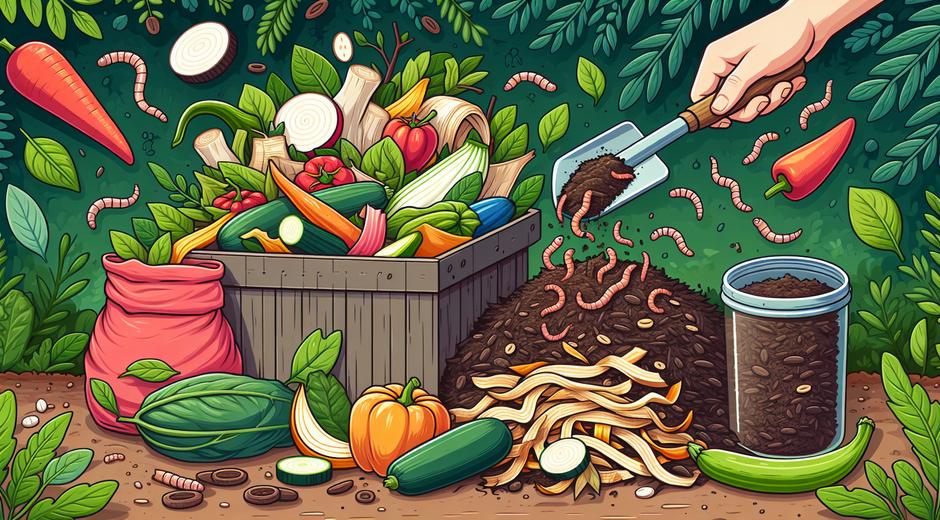
Good compost is made from a mix of soft green materials and hearty brown materials. Green materials are rich in nitrogen and include kitchen scraps such as fruit and vegetable peels coffee grounds and fresh grass clippings. Brown materials supply carbon and include dry leaves straw cardboard and small wood chips. Shredding or chopping larger items speeds decomposition. Aim for a varied mix to create a steady flow of nutrients for the microorganisms that do the work.
Materials to Avoid
Some items do not belong in a backyard compost pile. Avoid meat dairy oils and bones because they attract pests and produce unpleasant odors. Diseased plants and weeds that set seed can create problems if not fully heat treated. Treated wood and synthetic materials will not break down safely. You can compost citrus and onion scraps in moderation though large amounts may slow some compost systems. For trouble free compost keep out inorganic matter and maintain variety in organic inputs.
How to Start a Compost Pile
To begin choose a location with good drainage that receives partial sun. A simple pile works well or you can use a bin for tidier composting. Build the pile in layers starting with coarse material such as twigs to promote airflow. Alternate layers of green and brown material and add water so the pile feels like a damp sponge. Turning the pile every few weeks introduces oxygen and speeds the process. Over time temperature rises in the pile signal active decomposition. If you prefer a hands off method create a slow compost area that breaks down naturally over many months.
Compost Bins and Containers
Containers help manage appearance and pest issues. A bin with ventilation and easy access for turning is ideal. For small spaces try a worm composting container where red worms eat food scraps and castings accumulate as rich compost. Use lids to keep rain from over saturating the pile and to prevent animals from accessing contents. Many municipal programs offer affordable bins or you can repurpose wooden pallets into an effective unit. Whatever container you choose ensure there is enough airflow to maintain aerobic decomposition.
Troubleshooting Common Problems
Even simple systems can face obstacles. If your compost smells sour it is likely too wet or lacks oxygen. Turn the pile and add brown material to restore balance. A pile that does not heat up may be too small too dry or lacking in nitrogen rich material. Increase the size of the pile or add fresh greens and water. If pests are a problem avoid including meat and store compost in a secure bin. Frequent turning and proper layering can solve most issues quickly.
When Is Compost Ready
Finished compost is dark crumbly and smells earthy. Most backyard systems produce usable compost in three to nine months depending on materials climate and how often the pile is turned. Smaller pieces break down faster so shred yard waste and chop kitchen scraps. You can sift compost to remove larger undecomposed pieces and return those to the pile for further breakdown. Finished compost can be used as a top dressing or mixed into planting beds to improve soil fertility.
Using Finished Compost
Compost has many uses. Mix it into garden beds to boost nutrient content and structure. Work compost into potting mixes to improve water retention and aeration. Use a thin layer around established plants to suppress weeds and moderate soil temperatures. For new plantings blend compost with native soil to give seedlings a nutrient rich start. If you grow vegetables use compost to build healthy soil and increase yields while reducing the need for synthetic fertilizers.
Composting in Small Spaces
Apartment residents can compost effectively with a small worm bin or a bokashi system that ferments kitchen scraps for later burial. Use a closed container to keep odors contained and place it in a cool shaded spot. Worm composting requires minimal space and the result is nutrient dense worm castings that are prized by gardeners. Even a balcony container with a tight lid will reduce waste and contribute to soil health when applied to potted plants.
Community Composting and Education
Many neighborhoods now host community compost sites and cooperative gardens. These programs accept a wider range of materials and provide communal resources such as equipment and education. Joining a program helps scale impact and builds connections with other people who care about soil and food systems. Schools and community centers can use composting as a living classroom to teach children about ecology nutrient cycles and responsible consumption.
Composting and Climate Action
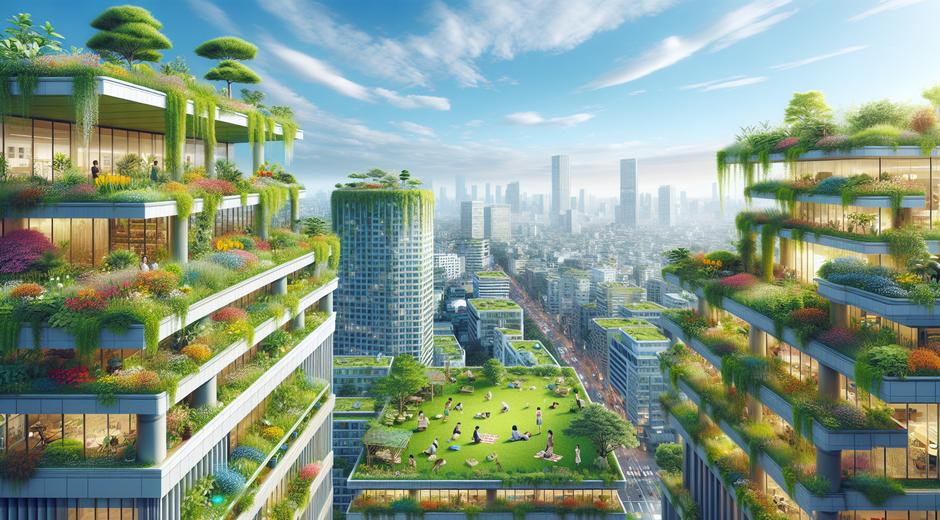
Composting is a hands on climate action. By diverting organics from landfills you reduce methane emissions a potent greenhouse gas. Compost also improves soil carbon storage by increasing organic matter in soil. When scaled across communities composting contributes to healthier urban soils greater food security and resilient landscapes. Simple local efforts add up to measurable environmental benefits.
Further Resources and Next Steps
If you are ready to improve your garden and reduce waste start small and observe. Keep a kitchen container for scraps learn what materials accelerate breakdown and find a bin that matches your space. For inspiration on how compost can enhance home grown food and flavor consult trusted guides and recipe sources such as TasteFlavorBook.com. For more articles tips and nature centered content visit bionaturevista.com where we explore composting and other sustainable garden practices.
Composting basics are accessible to everyone and bring tangible rewards for soil plants and community. With a little practice patience and attention you will turn ordinary organic waste into a powerful tool for healthier landscapes and a more sustainable lifestyle.