

Urban Green Roofs
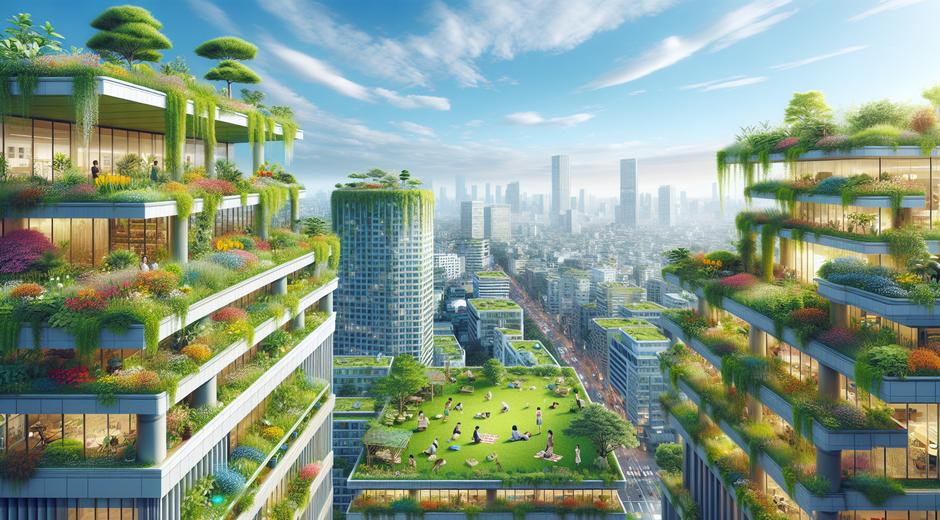
Urban green roofs are a powerful strategy to bring nature back into city life. These living roof systems combine plants soil and engineered layers to create thriving ecosystems on top of buildings. For cities facing rising temperatures limited green space and stormwater stress urban green roofs deliver measurable environmental social and economic gains. This article explores what urban green roofs are why they matter and how property owners planners and community groups can implement them effectively.
What Are Urban Green Roofs
An urban green roof is a roof that supports plant life. Typical components include an outer planting layer a growing medium a filter and drainage system and an underlying waterproof membrane. Designs vary from lightweight simple systems that host low growing succulents to deeper intensive systems that can support shrubs and small trees. Regardless of type green roofs create habitat reduce surface runoff and improve building performance.
Key Benefits of Urban Green Roofs
Urban green roofs offer a range of benefits that address multiple urban challenges at once. Here are the most important advantages to consider.
- Temperature moderation: Green roofs help keep building interiors cooler in summer and reduce heat loss in winter leading to lower energy use.
- Stormwater management: Vegetation and soil retain rainfall and slow runoff which eases pressure on urban drainage networks and reduces flood risk.
- Air quality improvement: Plants capture dust and particulate matter and support local air purification.
- Biodiversity support: Even small roof habitats can host pollinators birds and beneficial insects providing vital urban refuges.
- Extended roof life: Vegetation shades membranes from UV exposure and thermal cycling which can lengthen roof lifespan.
- Noise reduction: Soil and plant layers dampen sound transmission enhancing interior comfort in noisy urban areas.
- Social value: Green roof gardens create places for relaxation urban agriculture and education strengthening community well being.
Design and Plant Selection for Urban Green Roofs
Successful urban green roofs start with design that balances structural capacity water management and plant needs. Structural assessment is critical to determine whether a roof can support deeper planting layers required for intensive gardens or whether a lightweight extensive system is the better choice. Drainage and root barrier design protect the building while irrigation planning ensures resilience during dry spells.
Plant choice is one of the most important decisions. Native drought tolerant species reduce maintenance needs and provide the best value for local biodiversity. Sedums and succulents are common on shallow systems because they tolerate heat and low soil depth. Deeper soil systems allow grasses perennials and small shrubs which can support a wider range of insects and birds. Mixing plant types creates layered structure that enhances habitat value and seasonal interest.
Installation and Maintenance Basics
Installation of urban green roofs should follow a clear sequence. After structural evaluation and repair a continuous waterproofing membrane is installed. Next layers include a root barrier a drainage layer a filter fabric and the planting medium. The planting stage uses either plugs seed mixes or pre grown trays depending on budget and timeline.
Maintenance needs vary by system type. Extensive systems require occasional weeding fertilizing and irrigation during establishment while intensive systems may need regular gardening care. Monitoring for ponding and checking drainage outlets are key ongoing tasks. A proactive maintenance plan ensures the green roof continues to deliver environmental and economic returns.
Cost Considerations and Long Term Value
Initial installation costs for urban green roofs can be higher than for conventional roofs. However life cycle analysis often shows net savings. Reduced energy bills extended membrane life and stormwater fee reductions can offset installation costs over time. Incentive programs and grants are available in many cities which can lower upfront costs and encourage wider adoption.
When assessing value include non monetary benefits such as improved occupant health higher property appeal and increased biodiversity. These outcomes make green roofs an attractive investment for developers owners and community organizations aiming for sustainable urban development.
Policy and Community Impact
Municipal policies can accelerate the uptake of urban green roofs. Some cities offer bonuses such as extra floor area or tax credits in return for green roof installation. Stormwater fee credits and grant programs are common tools to reduce financial barriers. Community led green roof projects on schools libraries and housing blocks create demonstrable examples that inspire broader adoption.
Public awareness campaigns and technical training help scale projects while research and monitoring build the evidence base for policy makers. Collaboration between landscape professionals architects structural engineers and city planners is essential to integrate green roofs into urban fabric at scale.
Case Studies and Success Stories
Across the world small scale pilot projects on public buildings have shown dramatic benefits. A mid sized library with a newly planted roof reported a significant drop in summer cooling costs and an increase in community use of rooftop spaces. A residential retrofit project that added an extensive green roof reduced stormwater runoff from a key drainage basin during heavy rain events improving downstream conditions for neighbors. These real world examples highlight the adaptability of urban green roofs to different contexts sizes and budgets.
How to Learn More and Get Started
If you want practical guides best practice examples and project inspiration visit bionaturevista.com for a growing library of resources tailored to green urban nature solutions. The site provides plant lists design templates and case studies that help property owners and planners take the next step.
For those seeking training and academic resources consider courses and guides available from trusted learning platforms such as StudySkillUP.com which offer modules on sustainable design urban ecology and project management. Combining practical training with local partnerships accelerates project success and builds long term capacity within communities.
Practical Steps to Launch Your Own Urban Green Roof
- Conduct a roof inspection to assess load capacity access and waterproofing condition.
- Engage a qualified design team including a structural professional and a landscape specialist.
- Select an appropriate green roof type extensive or intensive based on budget and goals.
- Choose plant species suited to local climate and site conditions focusing on native options.
- Plan for maintenance by securing a service agreement or training staff or volunteers.
- Explore local funding incentives rebates and grant programs to reduce upfront cost.
Conclusion
Urban green roofs are a practical nature based solution that improves building performance enhances urban biodiversity and strengthens community resilience. With careful design and long term planning these living roofs transform underused surfaces into productive healthy and beautiful places. Whether you are a property owner architect planner or community leader urban green roofs offer scalable benefits for modern cities striving for sustainability. Start with a clear needs assessment gather the right team and access available resources to make the next green roof project a lasting success.